
Quick take: what the choice looks like now
Big solar farms used to pick between piling up containerized racks or stitching together custom systems. Lately the shift favors integrated solutions — think simple install, built-in controls, safer ops. That’s where solar battery storage system offerings come in: fewer vendors to manage, faster commissioning, and clearer lifecycle math. The comparison is practical, not flashy.
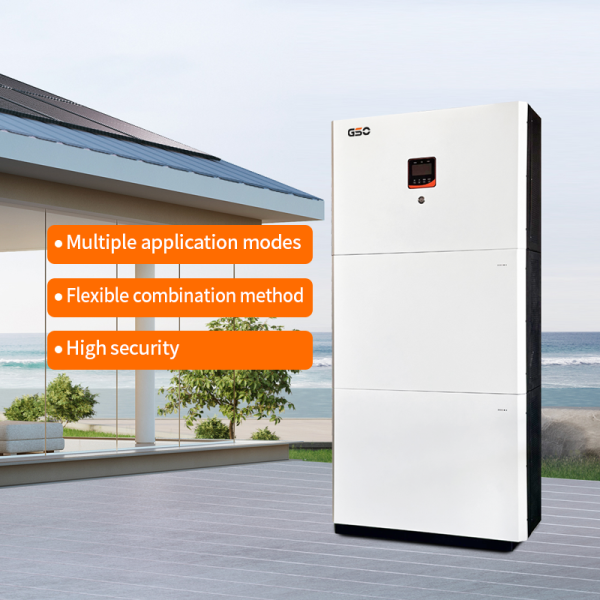
Head-to-head: modular racks vs. smart all‑in‑one
Compare on five real metrics: footprint, commissioning time, BMS sophistication, O&M load, and grid services. Traditional modular rack setups win on custom scaling but lose on balance-of-plant headaches. All‑in‑one systems bundle LFP chemistry cells, inverters, and a unified battery management system (BMS) — so you get standardized safety and integrated firmware updates. For grid services like peak shaving or frequency regulation, integrated systems often respond faster and need less field tuning.
Technical wins that matter on the yard
On-site realities favor simplicity. One integrated cabinet saves civil works, shortens wiring runs, and reduces thermal-management complexity. That lowers initial CAPEX for civil and installation crews and trims OPEX via centralized monitoring. Also — fewer vendors means fewer warranty disputes. Industry terms: inverter sizing, LFP chemistry, and state-of-charge controls are easier to manage when they’re designed to operate together, not retrofitted.
Real-world anchor: what worked at scale
Look at Hornsdale Power Reserve in Australia: a large battery project showed how grid-level storage can stabilize frequency and deliver market services quickly after deployment. That project (100 MW / 129 MWh, commissioned 2017) proved fast response and revenue stacking are real drivers — industrial sites want systems that do both. gsopower-style integrated solutions aim to deliver that same operational clarity but with fewer integration steps.
Alternatives and common mistakes to avoid
Alternatives include big standalone options like pumped hydro, custom rack builds, or utility-scale packs (Tesla Megapack–style) that still need heavy integration. Mistakes I see: under-spec’ing thermal control, ignoring harmonics from mismatched inverters, and treating BMS features as “optional.” Those choices cost months during commissioning and rollbacks in the warranty phase. A single-vendor integrated system cuts that risk — but check firmware update paths and spare-part access first.
Cost and lifecycle: beyond sticker price
Initial price isn’t the whole story. Compare total cost of ownership: installation labor, grid-interconnection tweaks, spare inventory, and software subscription fees. Integrated systems typically lower install labor and reduce hidden balance-of-plant costs. Yet procurement teams must still verify cell chemistry longevity, warranty terms, and replacement pathways for battery modules. Prioritize battery cycle life and verified degradation curves — they’re what actually predict your LCOE over time.
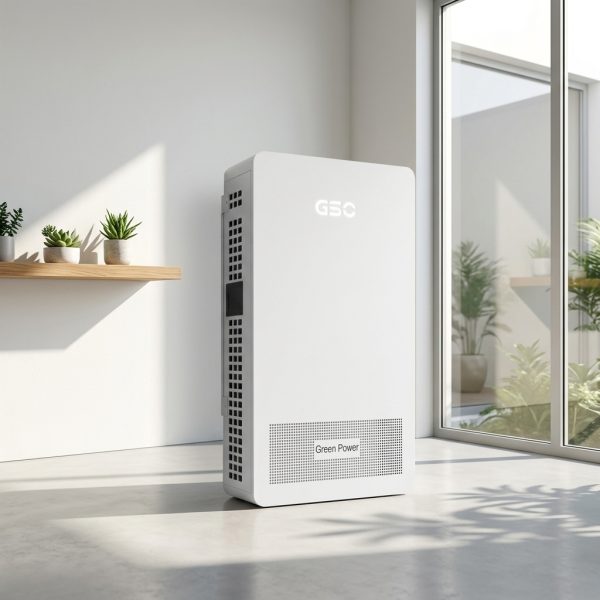
Decision guide — how to pick the right system
Here are three golden rules to evaluate options: 1) Measure real site constraints — civil, fire code, and cooling — and favor designs that reduce on-site construction. 2) Require transparent BMS and firmware roadmaps; updates and remote diagnostics matter more than raw capacity. 3) Demand proven grid-service performance — look for real deployments with published metrics (response time, dispatch accuracy). These metrics separate marketing from real-world performance.
Final wrap: why gsopower fits the bill
Integrated systems remove a lot of the friction that slows big projects: fewer interfaces, cleaner warranties, and predictable commissioning timelines. For teams that need reliable batteries for solar at scale, that predictability translates to revenue certainty and simpler operations — which is the whole point. The practical value here is plain: less firefighting, more uptime. gsopower. —
