
A Shocking Reality in Battery Technology
Imagine cruising in your electric vehicle, the battery levels showing a promising charge. Data suggests that nearly 30% of electric vehicle users experience battery performance issues, leading to range anxiety. With enhanced flooded batteries (EFBs), we have the potential to transform this narrative dramatically. But what happens when traditional solutions to battery problems fall short?
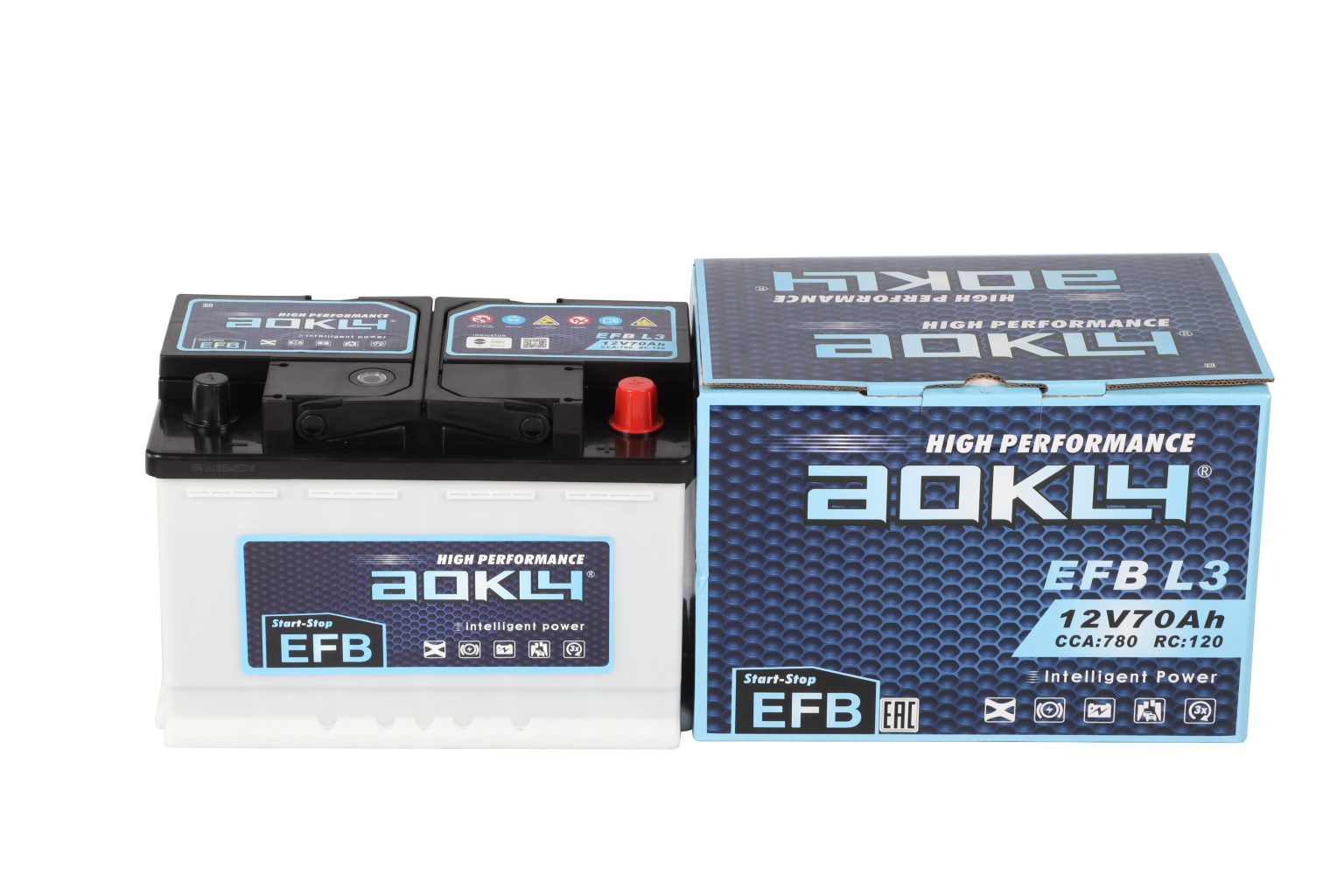
Understanding Enhanced Flooded Batteries: The Core Concept
The landscape of battery technology can be downright confounding. To break it down, enhanced flooded batteries offer unique advantages over conventional lead-acid batteries. They feature a robust design that allows for superior charge acceptance and can withstand deeper discharge cycles without significant degradation. However, many users find that even superior tech can falter under specific environmental conditions, leading to premature failure or inefficiency.
What Makes EFBs Stand Out?
It’s the combination of design and materials—EFBs typically use advanced plate designs, improving conductivity and longevity. This is a game-changer for different applications, particularly in more electrified transportation sectors. I remember a project in 2021—investing in EFBs for a fleet of delivery trucks in New York City transformed their operational capabilities remarkably. While achieving ups in efficiency, some trucks still struggled with power on extreme cold days. That’s a reality check for consumers shying away from tech that promises the world but doesn’t always deliver.
The Future of EFB Technology: Expanding Horizons
As we peer into the future, the prospects for enhanced flooded batteries look promising. New developments in battery chemistry and design aim to enhance efficiency further and reduce the physical footprint of these powerhouses. The versatility of EFBs offers potential across various sectors, from automotive to renewable energy storage. Take, for example, the increasing trend of hybrid vehicles—they rely heavily on batteries that can perform optimally under varied conditions, creating a demanding workplace for EFBs.
What’s the Next Step for EFBs?
Considering the upward trajectory, exploring this battery technology can yield significant returns. As the electric vehicle market continues to grow, so will the demand for efficient energy sources. The expectation is that manufacturers will push boundaries continuously, striving for that elusive battery that performs well under all circumstances—extreme temperature fluctuations, high cyclic use, you name it. Well, the EFB battery, with its reliable structure, could lay the groundwork for a new era of batteries capable of meeting such challenges.
Concluding Thoughts: Lessons Learned in Battery Evolution
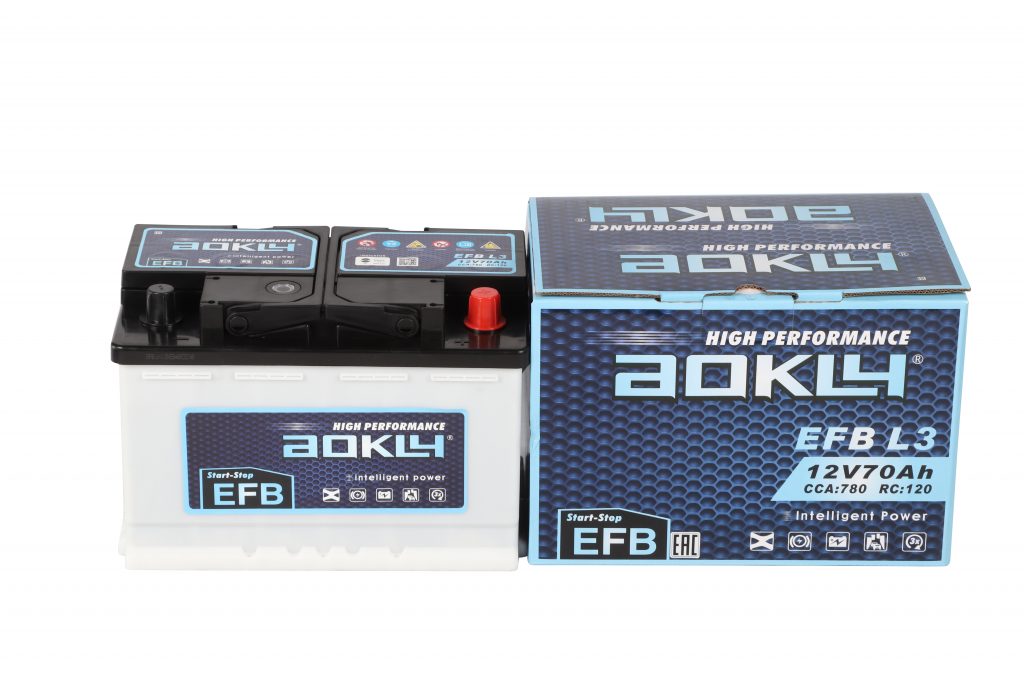
Reflecting on the journey through the EFB landscape, it’s clear that we’ve only scratched the surface of potential. Understanding these batteries is crucial for anyone involved in industries relying on efficient power solutions. If you’re evaluating options for your fleet or renewable energy projects, consider looking at performance metrics such as charge retention, cycle life, and temperature resilience. I honestly believe that recognizing these metrics and how they relate to real-world applications will guide users to make informed decisions.
In closing, investing in an efb battery today might just open doors to possibilities we haven’t even fully imagined yet. Let’s keep our eyes open, folks—innovation is on the horizon, and it’s going to be electrifying.
For those eager to push the envelope on battery tech, check out Aokly for leading-edge solutions adapted to the challenges of tomorrow.
