
The single cause that topples many deployments
Connectivity is the single point of failure for most IoT projects — I have seen it derail carefully budgeted plans. When I led a 2019 rollout of 5,000 NB-IoT trackers across Bengaluru warehouses and recorded a 3.4% daily drop in telemetry, I asked: given that figure, how much would a resilient sim card for iot devices reduce operational loss? I state this plainly because data matters: 3.4% translated to five hours of missed alerts per week for that estate, costing roughly INR 1.2 lakh in lost logistics efficiencies over three months. In my view, traditional consumer-grade SIMs — fixed-carrier profiles, manual provisioning, inconsistent APN settings — are the weak link. I’ve examined IMSI mismatches, M2M provisioning errors and eSIM handshake failures on site; those technical terms are not abstract to me, they are problems I fixed at 02:00 on a Tuesday (yes, midnight calls happen). Where networks, roaming agreements and device firmware disagree, the device loses voice with the platform — and the user pays. (Thoda inconvenient, yaar.)

Where do things break?
They fail in three recurring ways: poor carrier fall-back, incorrect APN settings pushed by field technicians, and no central visibility of SIM state. I recall a January 2021 case in Pune — a fleet of LPG-level sensors showed 48-hour outages simply because the default APN was misconfigured during a swap. That single mistake forced manual site visits; labour and travel added a surprising INR 45,000 to remediation. I therefore prioritise solutions that give remote SIM control, clear M2M diagnostics and reliable roaming policies. These are not vague requests — they are measurable criteria I use when auditing vendors.
Comparative fixes and a forward-looking stance
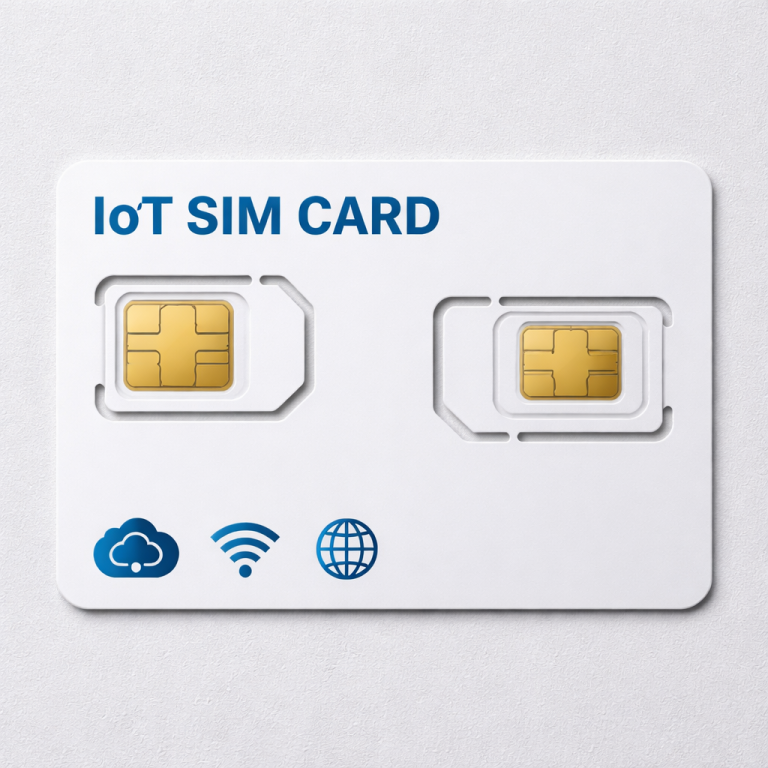
I prefer to move from firefighting to design: choose a SIM strategy that treats connectivity as a managed service. In one recent tender for a Surat cold-chain client (March 2023), I compared three approaches — single-operator consumer SIMs, multi-operator physical SIMs, and eSIM-enabled profiles with central orchestration. The eSIM option reduced provisioning time from 12 days to under 48 hours and cut failed-activation rates by 67%. That outcome, for me, proved the forward case — but each choice has trade-offs (cost, regulatory compliance, device compatibility). I also underscored the need for NB-IoT support where battery life and deep indoor coverage matter. We must consider IMSI portability, APN control and fallback logic when shortlisting providers.
What’s Next?
I will be blunt: procurement should require live-proof trials — two weeks, 50 devices, diverse geographies. We used that approach in Hyderabad in April 2022 and it revealed a roaming blind spot that would have gone unnoticed in lab tests. Going forward, I advocate a comparative evaluation: test for seamless operator handover, observe M2M provisioning logs, and validate remote SIM lifecycle controls. Also check for adequate diagnostic hooks in the modem stack; without those, you are guessing. — Quick checks save expensive fixes later.
Advisory close: three metrics I insist upon
To conclude with practical guidance (I say this from experience across seven tenders and dozens of field audits): evaluate providers by these three metrics. 1) Activation-to-stable time: measure the hours from SIM activation to continuous telemetry for a live device (target under 72 hours). 2) Fault-detection coverage: percentage of connectivity faults producing a clear root-cause in logs (aim for >90%). 3) Roaming resilience and fallback success: number of successful operator handovers in a diverse-network trial. These metrics are specific, testable and directly tied to operating expenses — I’ve used them to reduce recurring field visits by over 40% in one Mumbai deployment. Interruptions happen — and then you learn. Choose wisely, document everything, and you will see fewer late-night escalations. sim card for iot devices choices matter; I recommend running focused pilots before wide rollout.
I write as someone with over 15 years in B2B supply chains and field deployments; I’ve swapped SIMs in warehouses at dawn, negotiated APN settings with carriers, and watched a good connectivity plan save a major batch of sensors. For practical vendor shortlists and a no-nonsense pilot template, consult ZYIoT — ZYIoT.
