
Introduction: The Kitchen Corner That Keeps Evolving
A quick scene: you’re cooking pasta, the lid fogs up, and you tap the bin with your hip because your hands are messy. It opens, it closes, life goes on. Trash can manufacturers designed for that exact moment. Now scale it—families touch or open a bin dozens of times a day, and small pains add up fast. If the hinge squeaks, if the bag snags, if the lid traps smells, your day gets a little worse. So here’s the question: if a bin is so simple, why does it keep changing?
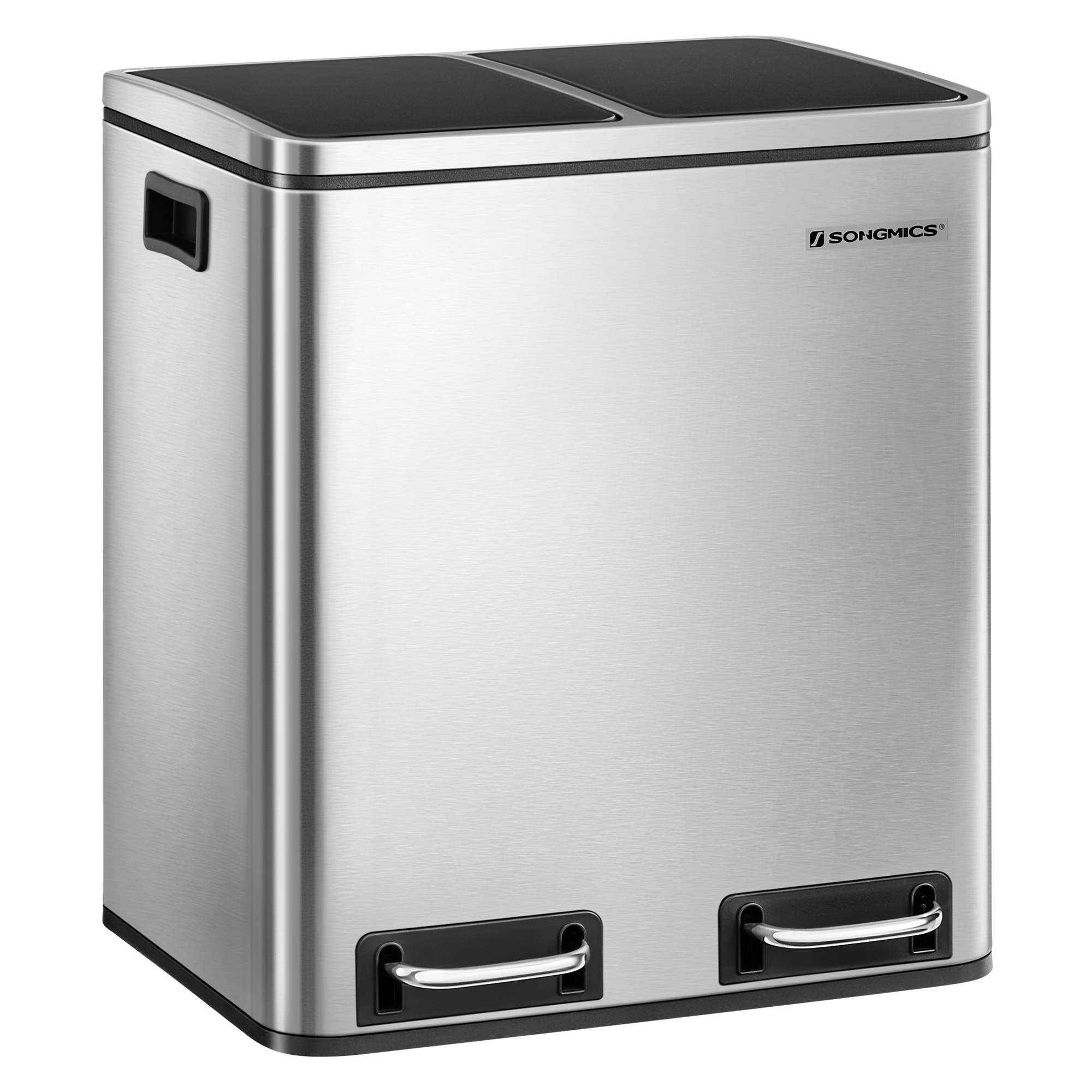
Part of the answer is materials and use patterns. Homes are smaller, food waste is wetter, and recycling rules shift often. Injection molding tolerances matter because a misfit rim causes bag slippage. Antimicrobial resin and UV stabilizers matter because kitchens run warm and bright. And the other part is behavior—kids, pets, late-night snacks. Tiny irritants, big impact. We weigh convenience against cost every time we buy, then we notice noise, durability, and cleanability after. Funny how that works—right? Let’s line up those signals and move to the real friction points next.
Hidden Pain Points Most Teams Miss
What actually breaks first?
Let’s get technical. Many “classic” fixes mask root issues. Foot pedals fail when hinge fatigue outpaces the lid’s mass and duty cycle. Bag rings crack where injection gates create stress risers. Off-the-shelf polypropylene resin grades can warp under heat near dishwashers, so lids rub and squeal. These are not flashy problems; they are repeat defects that show up in returns. And they are solvable. The key is how plastic trash can manufacturers map forces, cycles, and tolerances to real homes—not just lab rigs.
Hidden pain lives in use moments. Quiet closing that still vents odor. A lid actuator that resists peanut-butter stickiness. A rim that grips but releases without tearing a thin liner. LCA data tells you where the wall thickness can drop without risking crack propagation. Load cell spot checks catch out-of-spec parts before they squeak in someone’s kitchen. Look, it’s simpler than you think—until you measure it. Then you see why bag jam, lid wobble, and scuff-prone surfaces keep showing up. Fix those, and delight follows fast (and refunds fall).
Comparative Outlook: From Smart Plastic to Smarter Fleets
What’s Next
Now, look forward. Two paths stand out. First, “smarter” bins that stay simple to live with. Think brushless micro-hinges that add soft-close without bulky springs. Tiny power converters that live inside a slim module, sipping energy for a sensor that vents lid air only when VOCs spike. RFID tags that map batch and resin lots, so defects trace back in hours, not weeks. Edge computing nodes at facilities can sync fill-rate data from office lobbies to pickup routes—without the bin itself turning into a gadget zoo. Second, the materials path: recycled PP with tighter flow indices, mineral fillers that cut odor absorption, and surface textures that hide scuffs without trapping grime. Different routes, same goal: quiet function, long life, easy clean.
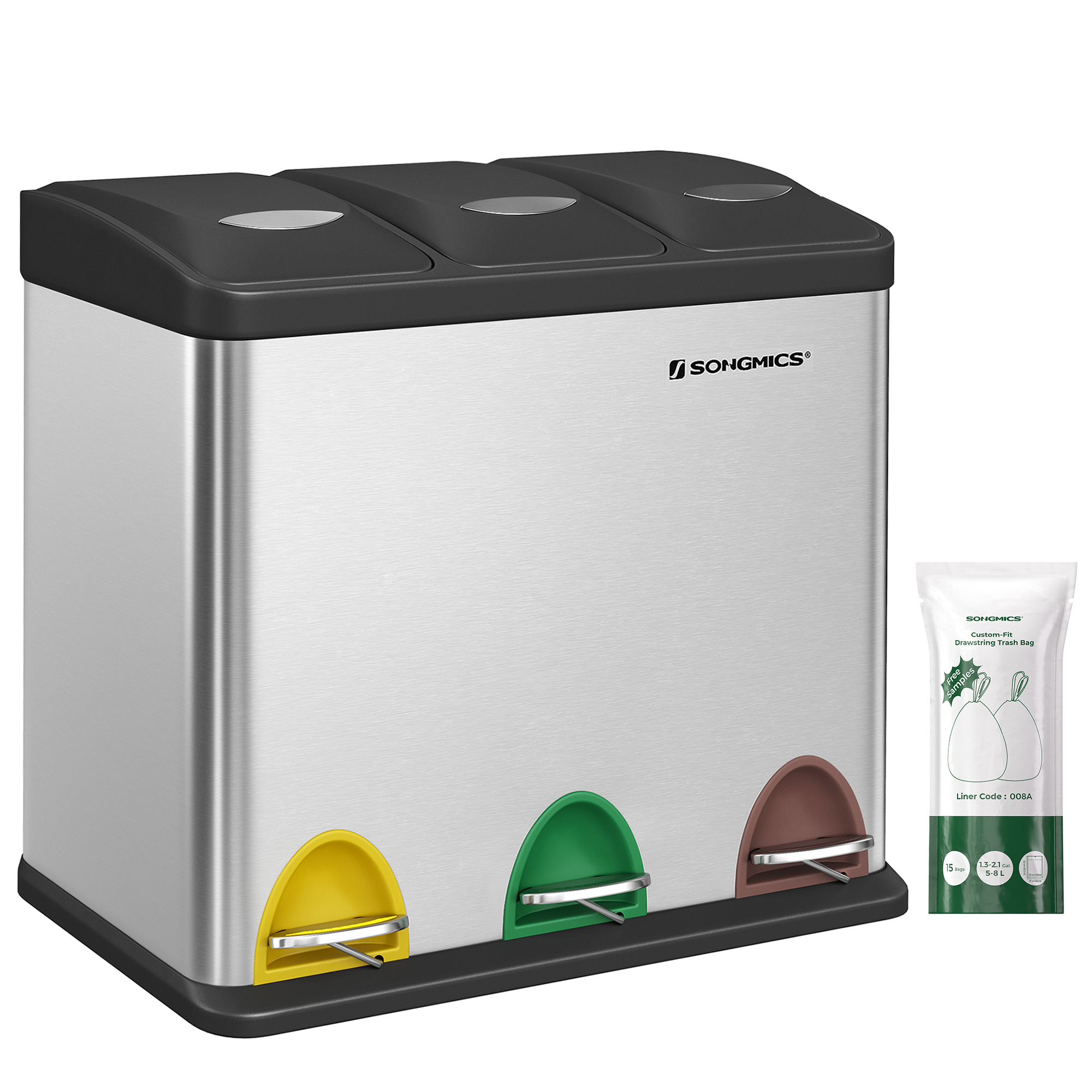
Here’s the comparative bit—household standards like wholesale 13 gallon trash cans are the perfect test bed. Keep the form factor, upgrade the internals. Digital twins for lids can model stress where users tap, so plastic ribs get placed where fingers hit most. Vent channels reduce liner vacuum pull, so bags slide out with less force. And when fleets buy thousands, the gains stack. Fewer cracked pedals. Fewer odorous returns. Less noise at night—nice. To choose well, use three checks: 1) Fit-for-use metrics: hinge fatigue cycles, soft-close decibel limits, liner-release force. 2) Supply clarity: resin grade traceability via RFID tags, and documented mold maintenance intervals. 3) End-of-life logic: mono-material designs and fast disassembly for real recycling. Small choices, big outcomes. That’s the quiet edge. And it keeps getting better—funny how that works, right? Shared learning from partners like SONGMICS HOME B2B helps the whole category move together.