
Introduction: A Room Full of Voices, a Clock That Won’t Wait
You walk into a summit with five languages and a tight agenda. The interpretation system is warming up, and you’ve invested in an interpretation system for multilingual meetings to keep the flow steady. Yet teams often report delays from channel mix-ups and small glitches that snowball. In many venues, 20% of lost time comes from handovers and slow setup—no kidding. So, how do we stop wasting minutes when every second matters (¿verdad)? Let’s unpack where good plans slip, and what to do next. Keep this in mind as we move forward—there’s a cleaner path.
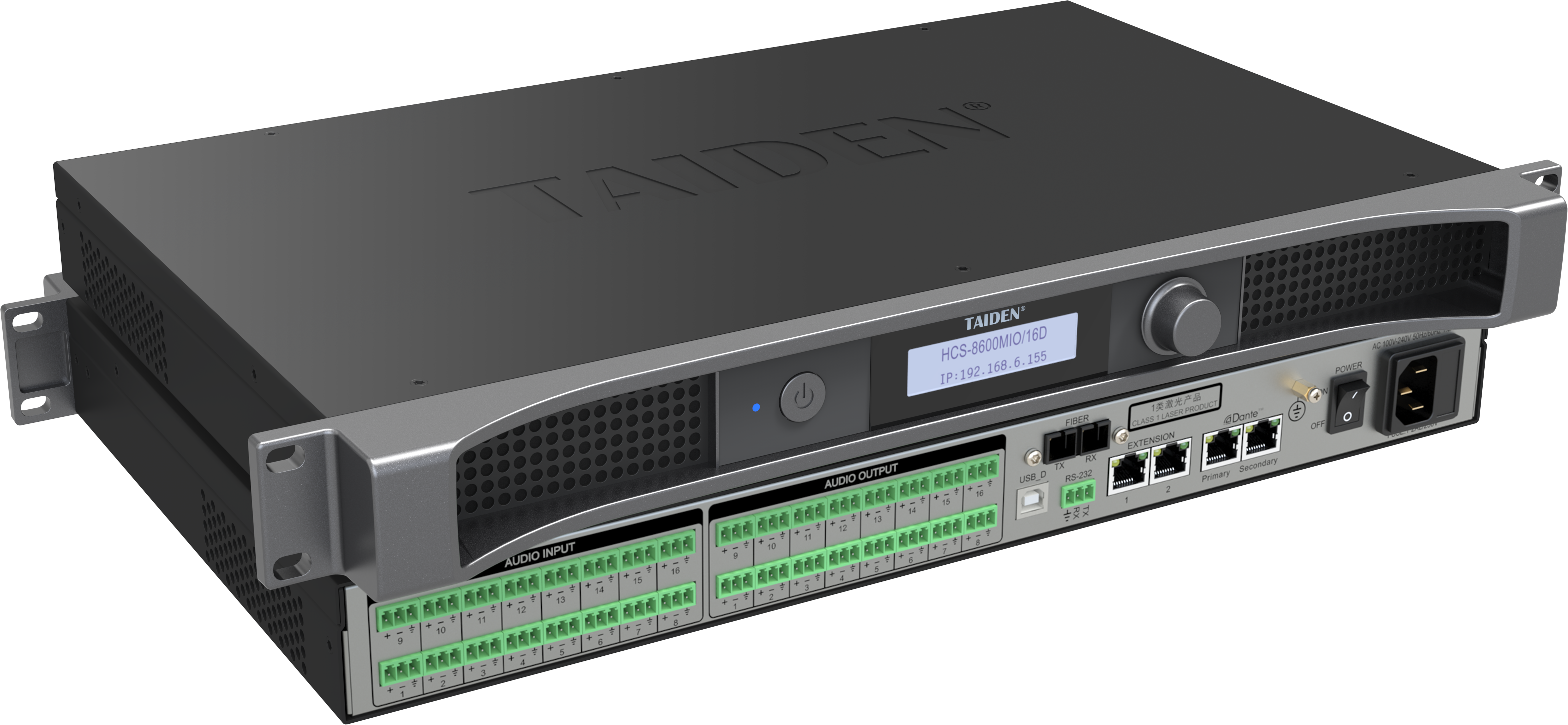
The Real Bottlenecks: Where Traditional Fixes Fall Short
Why do solid teams still stumble?
Old-school arrays rely on crowded RF channels. In a hotel with other events, interference spikes and audio drops follow. Latency creeps up when you chain relay interpretation across booths, especially with long floor feeds. Add analog audio mixers and you invite hum and drift that a busy DSP can’t fully clean. The interpreter console may lack clear handover logic, so mics step on each other. And power converters without redundancy turn a small surge into a silent hall. It’s not that people fail. The stack is fragile by design.
Hidden pains come from hybrid setups. Network jitter from unmanaged switches ruins sync. No QoS, no priority—adiós smooth speech. Acoustic echo cancellation fights the room instead of the signal when beamforming microphones are mis-tuned. Then there’s floor audio: if it isn’t stable, every channel inherits the wobble. Handovers create dead air when talkback and cough functions aren’t mapped well. Look, it’s simpler than you think: measure end-to-end delay, fix packet loss, and shorten the chain. Edge computing nodes near the booth can cut hops and keep timing tight. Small changes, big calm.
Comparative Insight: New Principles That Outpace Old Setups
What’s Next
Modern designs shift from crowded radio to deterministic transport. Think low-latency audio codecs paired with multicast IP streams and strict QoS. Traffic gets marked. Packets glide. When you add redundant links and fast failover, a cable fault becomes a blip—not a crisis. Digital infrared distribution avoids RF congestion in dense venues and gives clean channel isolation. The result is measurable: lower jitter, fewer retries, and stable interpreter feedback. When you compare, do it apples-to-apples—same room, same load, same stress test—funny how that works, right?
Now add flexible workflows. With secure gateways, remote booths can join via remote simultaneous interpretation while onsite delegates still get infrared receivers. The system handles both without extra mixers. Interpreters see clear relay options, with visual cues and timed handovers. Floor audio uses proper gain structure, so DSP cleanup is light, not heroic. In short, fewer moving parts, more predictability. The tech is there, and the practice is mature. Keep the tone semi-formal in setup, but be strict in metrics—your future events will thank you.

How to Choose Without Guesswork
Here is a simple way to judge solutions without hype. First, latency under load: ask for end-to-end numbers below 120 ms at the 95th percentile, with logs that show jitter and packet loss during peak. If remote channels are used, verify the same with WAN simulation. Second, channel integrity: test interference immunity. Compare digital infrared against RF in a busy room; track bit error rate and audio dropouts across every booth. Third, resilience you can prove: redundant power converters, dual network paths, and automatic switchover with recovery under two seconds. Run a pull-the-plug drill—oye, do it before showtime.
These checks reflect what we learned above. Traditional chains fail where hops pile up and controls are unclear. Newer principles reduce hops, protect streams, and make handovers explicit. Aim for clear interpreter console layouts, stable floor audio, and QoS you can audit. I know, it sounds basic—but it saves hours. Choose tools that respect human pace and technical limits. People first, signals second, gear third. That order keeps the conversation alive and the meeting humane. If you want a reference point for robust meeting tech, keep an eye on TAIDEN.
