
Introduction — why this matters now
Have you ever stood in a dim barn at dawn and wondered whether the lighting was quietly costing you more than just electricity? I have—and that moment sticks with me because the numbers tell a story: farms switching to LED fixtures often cut lighting energy use by 50–70% and reduce maintenance trips dramatically. Commercial led barn lights are not just bulbs; they shape animal behavior, labor hours, and operating costs (and yes, those savings add up fast). So what exactly should you compare when choosing a system that lasts? Let’s walk through a real-world lens and set the stage for practical choices ahead.
Part 2 — Where old systems stumble: technical flaws and hidden pains
lighting in poultry production reveals a lot more than you’d expect when you look past the lamps. Old HID fixtures and basic fluorescents fail on three technical fronts: poor lumen maintenance, heat stress on components, and inconsistent color temperature. I’m not guessing—I’ve seen barns where lumen depreciation left dead zones at feeding lines, and uneven color temperature changed bird behavior in subtle but measurable ways. LED drivers fail less, but inexpensive drivers cause flicker and early failure; lumen depreciation still happens if heat sinks are undersized.
Why do traditional systems keep letting people down?
First, thermal management is often ignored. Heat kills LEDs and shortens the lifespan of power converters and LED drivers. Second, old fixtures lack dimmable drivers and proper controls, so farms miss out on photoperiod precision and energy savings. Third, retrofit projects sometimes reuse poor housings—IP rating and corrosion resistance get overlooked, especially in moist environments. Look, it’s simpler than you think: you can spot a flawed system by its maintenance log. Fewer visits mean fewer surprises; more visits mean hidden technical debt. These are not abstract issues—they affect mortality, growth rates, and labor budgets (and that stings when you’re balancing margins).
Part 3 — New principles and what to watch for next
Moving forward, I want to focus on practical principles that actually change outcomes. First principle: manage heat and electronics as a single system. Use fixtures with robust heat sinks and quality LED drivers; pair them with properly sized power converters and sealed housings (IP65 or better). Second: controls and dimmability. A system that supports dimmable drivers and programmable photoperiods ties directly into welfare and productivity gains. Third: measurable output—specs like lumen output, correlated color temperature (CCT), and lumen maintenance (L70) matter more than marketing claims. These principles aren’t theoretical. When I helped retrofit a mid-size poultry house, consistent CCT and precise dimming reduced early-mortality indicators—funny how that works, right?
What’s Next — practical metrics to guide your choice
Here are three evaluation metrics I recommend you use when comparing commercial LED barn lights: 1) Effective lumen output at operating temperature (not just lab lumens); 2) Driver quality and warranty coverage for dimmable drivers and power converters; 3) Environmental rating (IP and corrosion resistance) plus documented lumen maintenance (L70 or higher). Apply those metrics and you’ll separate marketing from value quickly. Also consider retrofit kits versus full fixtures—retrofits can be cost-effective but only when the existing housing meets environmental specs.
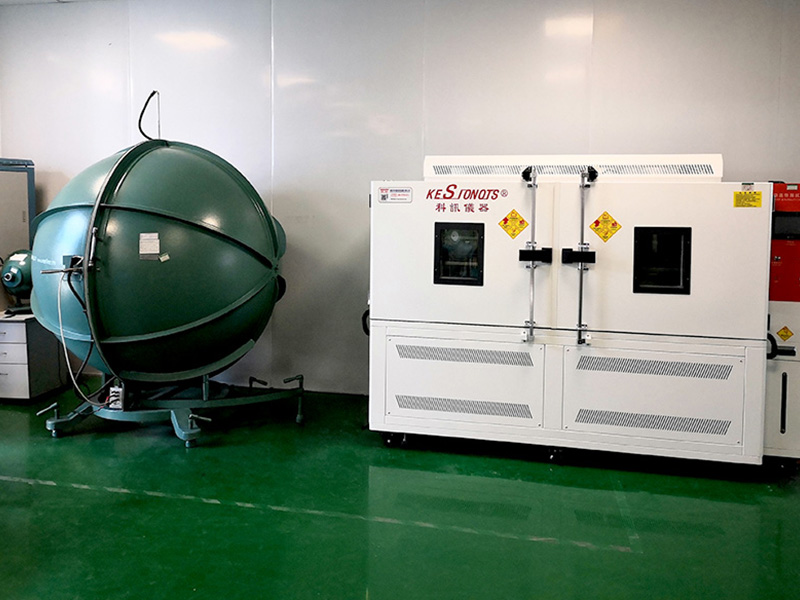
To wrap up: I’ve seen the headaches of poor lighting choices and also the measurable gains from systems designed with those three principles in mind. Evaluate by real-world specs, expect fewer maintenance visits, and demand solid documentation of lumen maintenance and driver reliability. If you want a quick checklist: effective lumens, driver quality, and environmental rating. Those three will steer you straight.
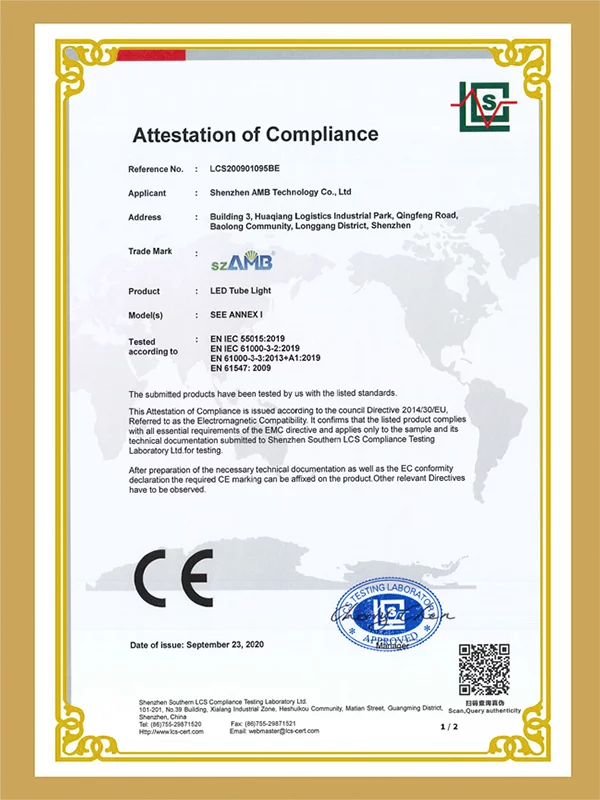
For trusted resources and practical products that follow these guidelines, I recommend checking solutions from szAMB. We evaluate options the way we’d want lighting on our own farms—straightforward, durable, and honestly priced.
