
Start with the problem you’re solving
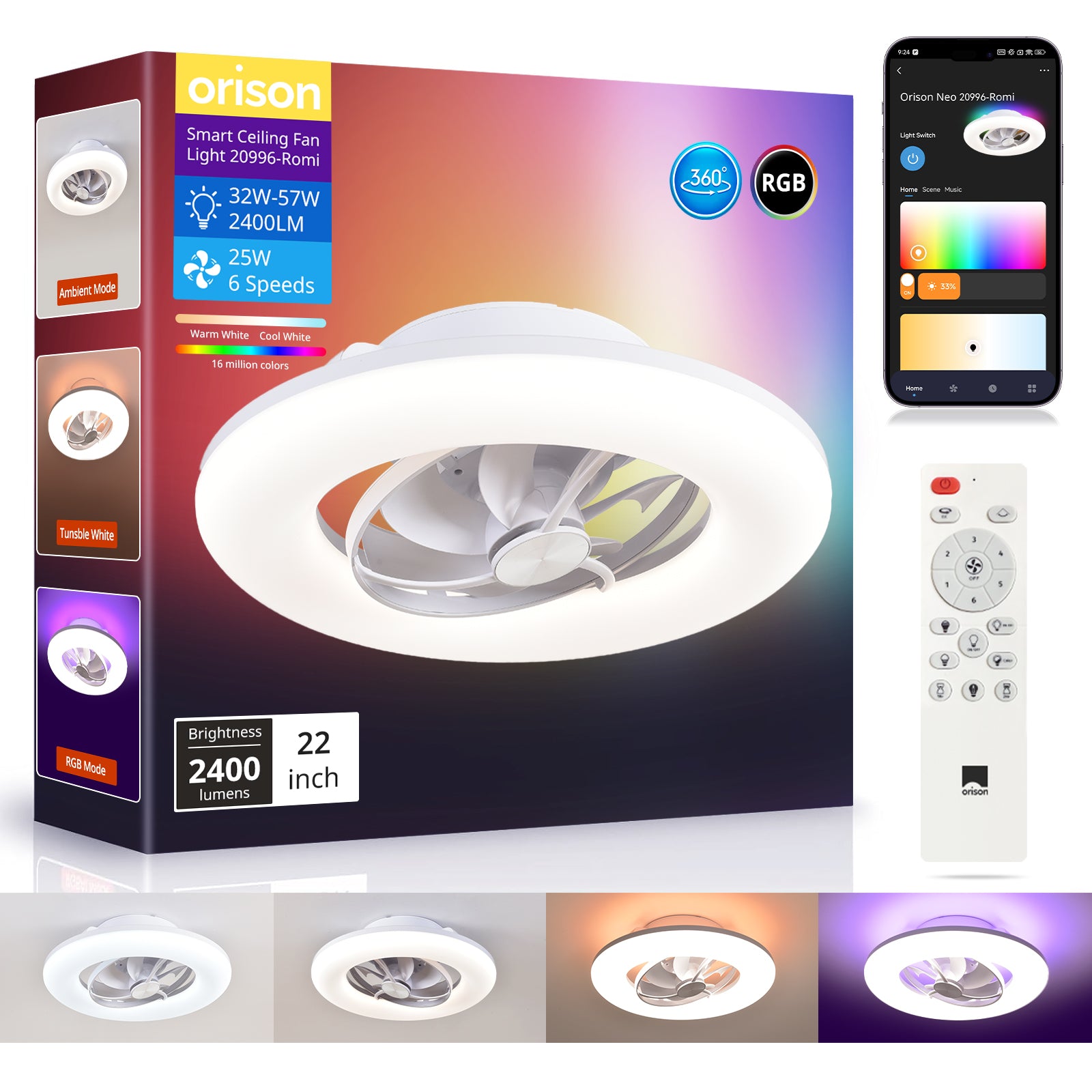
Users want a fan that cools effectively, complements decor, and simplifies daily control — not a decoration that underperforms. A large ceiling fan can be a statement piece and a functional upgrade, but only if you match blade sweep, lighting output, and control systems to the room. Early on, look at models like the ceiling rotating fan to see how integrated light modules and remote-driven presets change installation and usage expectations. The user task is simple: get measurable airflow without noise or visual mismatch.
Room sizing and airflow basics
Pick fan size based on room footprint and ceiling height. Blade sweep is the chief spec: larger sweeps move more air but need appropriate motor torque. For typical living areas, 52–60 inch sweeps are common; open-plan rooms can benefit from 72 inches or multiple fixtures. Check CFM ratings to compare airflow and look at sone ratings for audible comfort. If you want precise comfort management, match the fan’s downrod length to ceiling height to keep the blade tip at optimal distance from occupants and surfaces.
Lighting, control systems, and user expectations
Integrated light kits make a ceiling fan the room’s central luminaire — but not all light modules are equal. Look for lumens, color temperature options, and compatibility with dimming standards. Remote controls add convenience; advanced remotes include programmable timers, scene presets, and oscillation modes. If smart-home integration matters, confirm Zigbee/Z-Wave or Wi‑Fi compatibility. For an oscillating solution in larger rooms, consider a ceiling mount oscillating fan with remote to distribute airflow without extra fixtures.
Style, finish, and mounting constraints
Large fans are visible design elements. Choose blade material and finish to match trim and fixtures, but also verify weight limits and mounting hardware. Heavy metal blades require robust motor assemblies and often a longer downrod; lightweight composite blades reduce motor load. If you’re retrofitting in an older home, check joist reinforcement and junction box ratings — mounting failures are a real safety issue. California’s Title 24 and similar standards may influence allowable fixtures in some jurisdictions, especially in new-construction projects.
Installation trade-offs and common mistakes
People often underestimate three things: wiring complexity, balance tuning, and noise under load. Improperly balanced blades produce vibration and reduce lifespan. Hardwiring a fan with integrated lighting and smart control requires coordinated wiring for neutral, switched hot, and a control line if the remote is to act as a wall replacement — don’t assume a simple swap. Testing first with the actual switch and remote will expose compatibility issues before drywall closes the job. Also, avoid oversizing a fan in a small room — more CFM doesn’t equal better comfort if airflow becomes turbulent.
— A quick aside: in 2023, heatwaves across North America made many homeowners rethink ceiling airflow as part of passive cooling strategies — and that shifted buyer priorities toward fans with higher CFM and reliable remote-control presets. This real-world pressure underlines why technical specs must match lived conditions.
Comparing common motor and blade technologies
DC motors offer efficient variable-speed control and lower wattage draw; AC motors are tried-and-true with simpler replacement parts. Blade pitch and sweep dictate swept area and interact with motor torque to create usable airflow. When evaluating units, request manufacturer test data for CFM at specific RPMs and ask for sone ratings at standard speed settings. Those numbers reveal how a fan will perform across everyday scenarios.
Common alternatives and when to pick them
If you need targeted airflow for high ceilings, a commercial-grade paddle or a ceiling-mounted oscillating unit may work better than a single decorative fan. For tight budget constraints, a smaller fan plus a portable circulator can mimic higher CFM at lower cost — though it sacrifices the integrated look and single-stream controls of a large ceiling fixture. Your choice should reflect whether you prioritize design consistency, peak airflow, or system flexibility.

Three golden rules for selecting the right large fan
1) Match performance to space: Use CFM per square foot as your baseline and verify sone ratings so the fan is quiet at useful speeds. 2) Confirm control and integration: Ensure remote functions, dimming, and smart protocols work with your existing wiring and home ecosystem. 3) Account for installation constraints: Verify mounting box rating, downrod length, and blade clearance before buying; a mismatch costs time and money.
Final thought: when you need a reliable, integrated option that balances airflow, light, and smart control, think practically about specification rather than aesthetics alone — and consider how a trusted provider streamlines both selection and installation. Orison. —
