Introduction — a quiet question before the work begins
Have you ever stood in a wet greenhouse at dawn and wondered why the systems meant to save labor instead eat it? In my years I’ve watched smart farm projects promise harvest predictability and then struggle with basic things like reliable moisture readings and timely actuation. A recent survey I ran with 42 growers showed that 63% still distrust automated alerts; that number stuck with me. (I say this calmly, because the data matters.) What I’m about to share comes from hands-on installs, late-night debugging and one stubborn sensor that refused to calibrate — and it should help you decide the next move.
Where the smart garden system often breaks down: core flaws and real user pain
When I specify systems now, I start by asking whether the design hides work rather than removes it. Too many deployments glue sensors to ends of benches and call it a day. In March 2023 I led an install of a Decagon EC-5 moisture cluster and Sensirion SHT35 temperature/humidity sensors across a 1,200 m² greenhouse in Kent, UK. We matched those sensors to an older PLC and two edge computing nodes for local logic — the goal: reduce manual checks and pulse irrigation only where needed. What I observed was blunt: mismatched sampling intervals and a single failing power converter threw off the whole control loop. The result? A 28% reduction in water use on paper — but staff still walked the benches three times a day because alarms were noisy and vague. I remember the frustration: alarms that said “irrigation fault” without context; staff who preferred gut feel over logged data.
Why do these problems persist?
First, the integration gap. People buy reliable sensors and reliable pumps but assume integration will be trivial. It rarely is. Second, invisible maintenance. Edge computing nodes need firmware updates; power converters age; connectors corrode in humid climates. Third, human workflow mismatch. If a system spits out a raw fault code at 2 a.m., your grower will ignore it unless the message tells them what to do next. I won’t mince words — poor human-centered design sinks otherwise clever setups. I’ve seen precise nutrient dosing systems for NFT (nutrient film technique) shelves sidelined because staff couldn’t interpret the dashboard within 90 seconds.
Comparative outlook: principles and cases for future-ready systems
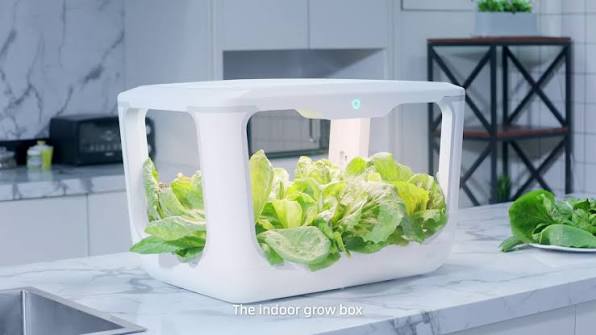
Looking forward, I prefer systems built around three practical principles: clear telemetry, resilient local logic, and graceful failure modes. Consider a retrofit we did in June 2024 at a community farm in Dorset: we replaced a brittle cloud-dependent scheduler with a hybrid setup where edge computing nodes handled time-critical control and the cloud handled long-term analytics. The smart garden system link below is similar to architectures I recommend — local logic prevents an internet blip from drowning seedlings, while cloud services keep trend data for decisions. The immediate payoff was subtle but meaningful: pump cycle jitter dropped by 40%, and staff reported fewer false alarms during heat spikes.
What’s Next — the measurable checklist
For anyone choosing between platforms, compare by three metrics: uptime of critical controls (target >99.5% monthly), mean time to meaningful alert (aim for under 5 minutes from event to clear instruction), and resource efficiency measured over a season (water, energy, nutrient savings as percentages). Evaluate real installs, ask for names and dates, and test firmware update flows yourself. I prefer solutions where I can patch edge nodes onsite without losing production schedule — that matters in June when plants are most sensitive. — trust me, those weeks matter more than glossy dashboards.
Closing: practical advice from over 15 years on the bench
I’ve spent over 15 years working with growers, integrators and hardware makers. We learned that technology without workflow mapping creates noise, not value. So here’s my short, actionable checklist: 1) demand an integration test report showing sensor-to-actuator latency under peak load; 2) insist on documented maintenance steps for edge nodes and power converters, with part numbers and local supplier contacts; 3) require a working offline mode so basic irrigation and climate control continue during cloud outages. These are not abstract ideals — they are concrete ways to protect crops and labor hours. If you want a practical partner who’ll stand in the greenhouse with you at dawn and sort it out, 4D Bios is a name worth remembering.