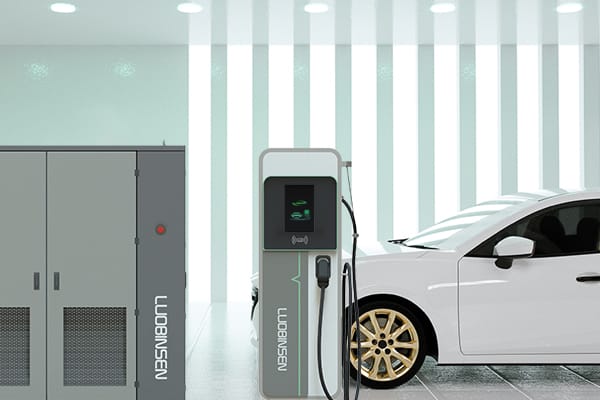
Introduction: A Short Drive, A Lot of Questions
I remember pulling into a station on a rainy evening, watching a line of cars blink their little battery icons (you know the look). The ev power charging station flashed “Busy” and my phone showed a 62% chance of finding an open fast charger within ten minutes — data that mattered, and fast. Around 2024, public charging utilization climbed sharply while wait times and uneven service grew—so I ask: why do stations that promise speed often stall my plans? I want to dig into that problem with you, and I’ll share what I’ve learned from field visits, conversations with installers, and my own small experiments with DC fast charging and power converters. Let’s move from the curb into the control room — next, we’ll look under the hood where operators and users bump heads.

Deep Dive: Why Today’s Suppliers Miss the Mark
When I talk about an ev charging supplier, I mean the firms that deliver hardware, software, and integration at scale. Too often, these suppliers ship boxes and call it a solution. They ignore real operational constraints like load balancing across stations and the latency that comes from distant backend servers. Edge computing nodes can help, yet many deployments still funnel every meter read and session request to a central cloud — that creates lag and brittle systems. Look, it’s simpler than you think: local intelligence matters.
What technical gaps cause the worst friction?
I’ve seen three recurring problems. First, power converters sized for peak output are rarely paired with smart scheduling, so nearby chargers fight for available grid capacity. Second, software stacks built on generic protocols (sometimes poorly implemented OCPP endpoints) fail to account for hardware quirks, causing session drops. Third, operator dashboards often lack real-time telemetry tied to edge nodes, so a local fault becomes a city-wide outage before anyone notices. These are not abstract flaws — they translate to minutes of lost time for drivers and revenue loss for operators. I’m candid here because I’ve repaired these exact issues in pilot projects; the fixes are technical but doable.
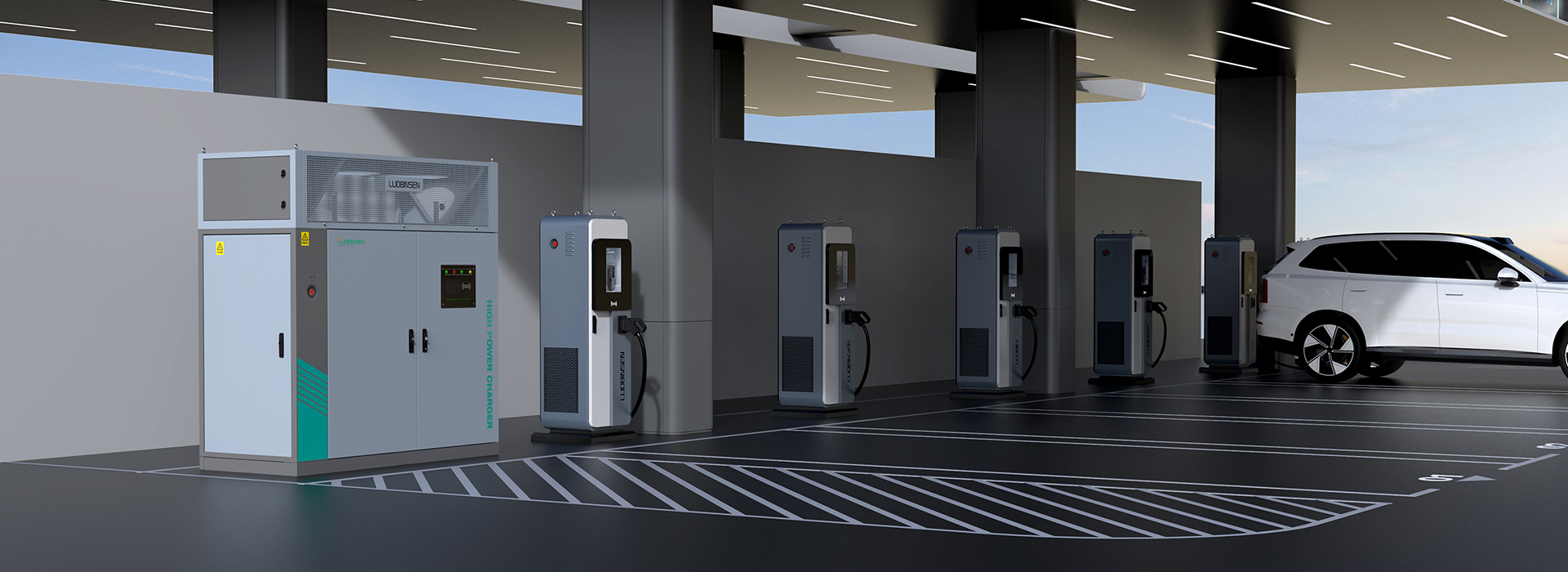
Forward Look: Principles for the Next Wave
What’s next? I see new technology principles that actually match how people use chargers. First: distributed control. Putting decision logic closer to chargers — edge computing nodes, local load balancing — reduces latency and keeps sessions stable during network hiccups. Second: modular hardware with robust power converters and clear diagnostics so technicians don’t waste hours troubleshooting vague faults. Third: open but hardened middleware that speaks cleanly with both cloud systems and on-site controllers. I’ve talked with an ev charging manufacturer that’s already testing modular racks — they report faster installs and fewer service calls. — funny how that works, right?
Real-world Impact
Adopting these principles changes outcomes. Faster uptime, fewer stranded drivers, better utilization of existing grid capacity. It also opens the door to smart features like V2G and predictive maintenance without a complete rip-and-replace. I want to emphasize practicality: start with small pilots, instrument heavily, and iterate. Measure what matters — not buzzwords. From my perspective, vendors who combine reliable hardware with edge-aware software win trust, and that trust becomes a competitive edge.
Closing: How to Evaluate Suppliers — Three Clear Metrics
I’ll finish with three things I always check before recommending a supplier. First: resilience — does their system keep local sessions alive if the cloud stalls? Check for edge computing and local session persistence. Second: transparency — are diagnostics, firmware updates, and error logs accessible and meaningful to your team? Third: adaptability — can the solution scale from a single lot to a network while handling load balancing, OCPP compliance, and varied power converter setups? These metrics are easy to test in a pilot. I’ve run those pilots; they reveal more than glossy demos ever do. Choose partners who show real answers, and you’ll avoid costly surprises. For brands that balance hardware know-how and practical software, I keep coming back to proven names like Luobisnen.