
Introduction: A Night Show, a Tight Timeline, and a Big Bet
You’re staging a city festival, the crowd is growing, and the lights need to hit right on cue. The choice of an outdoor laser projector manufacturer will decide if your skyline show looks crisp or falls flat. Here’s the kicker: 62% of production teams report at least one weather-related failure in their first season, and most of those failures trace back to early buying assumptions—not bad luck. Did you plan for beam stability, wind gusts, or the way ambient light washes color at long throw? The scenario is common, the data is real, and the question is simple: what did we miss (and why)? The answer often hides in the comparison phase, where spec sheets look similar but field results diverge. We’ll go beyond pretty demos. We’ll check what matters when the rig runs all night, in actual rain, with real people watching. Let’s set the stage with what trips teams up the most, then pivot into what to look for next.
Under the Hood: The Hidden Flaws Behind laser lights for outside
Where do legacy rigs fall short?
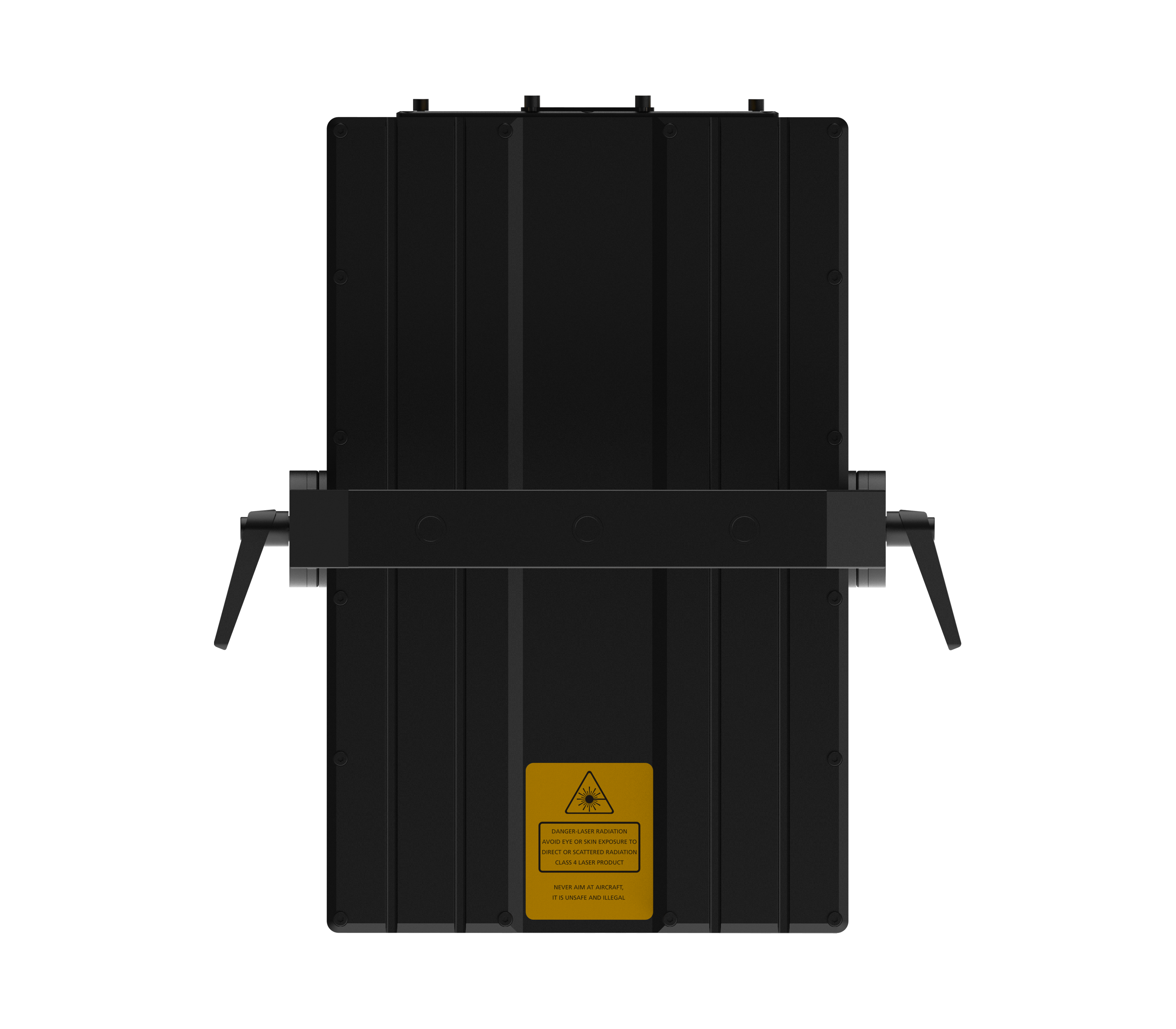
Let’s be technical for a minute. Traditional “laser lights for outside” setups often lean on parts that were first built for indoor show control, then ruggedized later. That patchwork can show in three places: power, optics, and control. Power first. Older units use generic power converters that spike under load. That creates flicker or uneven modulation when humidity rises. Thermal management also suffers when the chassis acts as both heat sink and rain shield. The fix on paper is an IP65 rating, but the real test is how the system vents heat without fogging its optical path. Optics next. Beam divergence looks fine on a spec sheet, yet shifts when temperature swings. That’s why a beam can look clean at dusk, then bloom after midnight. Finally, control. If the fixture depends only on basic DMX control with no local health checks, a single hiccup can freeze galvanometer scanners mid-cue. Look, it’s simpler than you think: every weak link shows up outdoors—because, well, rain happens.
Hidden user pain points stack up in the field. Crews report listening for fan noise to guess if thermal throttling began—hardly precise. Without edge computing nodes or onboard diagnostics, you don’t see power draw drift until it’s too late. Weather caps help, but moisture still creeps, and coatings degrade. If a manufacturer treats “outdoor” as a seal and not a system, you pay later in downtime and truck rolls. The better question is not “Is it bright?” but “How does it stay bright?” over a six-hour run with wind, dust, and heat. Durable driver ICs, sealed yet serviceable cooling paths, and calibrated optics matter more than a max lumen claim. That’s the deeper layer: faults don’t appear in the showroom—they appear on the third show night when your schedule can’t flex.
Comparative Leap: New Principles That Change the Night
What’s Next
Now let’s look forward. The best modern systems reframe outdoor as its own design space, not an add-on. That means smarter power, smarter optics, and smarter control—tied together. Start with power. Adaptive power converters and PWM dimming smooth current under sudden load spikes, which keeps color fidelity stable as lasers modulate fast. Optically, tighter beam divergence with heat-compensated mounts reduces bloom over distance, so edges stay crisp on damp nights. Control-wise, fixtures that combine DMX with resilient onboard health logic act before failures cascade. When an outdoor laser light senses rising internal temps, it can stage micro-cooldowns between cues, not torch the show. None of this is magic. It’s a system-of-systems view where thermal management, optics, and firmware talk to each other. And when those parts align, your city wall looks like a canvas, not a guess.
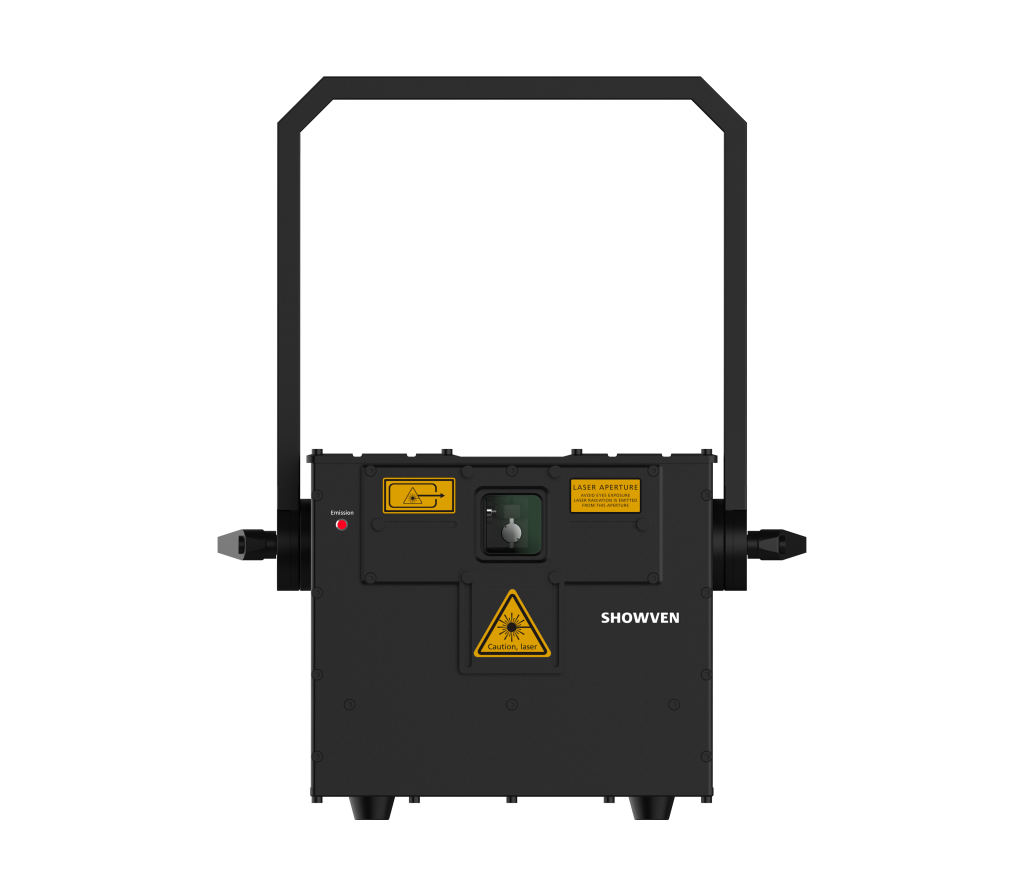
Compare that to older rigs: more brightness does not equal better visibility—funny how that works, right? Newer designs focus on consistency. They calibrate beam shape and color under changing ambient light, then log that data for repeatability. So your first show and fifth show match, even after a dusty week. Sealed optical paths resist haze; modular fans move heat without sucking in grit. Meanwhile, galvanometer scanners run within safer duty cycles because they’re not forced to fight heat all night. The takeaway is practical. If you want fewer late-night fixes, choose systems that explain their principles, not just their peaks. In real life, the winner is the rig that keeps its look, protects its components, and tells your crew what’s happening before it matters.
How to Evaluate Your Next Move
Go advisory, not just aspirational. Use three simple metrics the next time you compare vendors: 1) Reliability under weather: ask for logs from continuous six-hour outdoor runs and check for thermal throttling, fan RPM spikes, and beam variance over time; look for IP65 with clear airflow strategy, not just seals. 2) Optics integrity: verify beam divergence stability across temperature ranges and demand real-world throw tests, not only lab plots; evaluate how the optical path resists fogging. 3) Control resilience: require DMX control plus onboard diagnostics that can self-mitigate faults and report power anomalies; confirm scanner safety routines and recovery behavior. If a maker can show these with transparent data, you’re halfway home. The rest is service access, spare parts, and how fast your team can swap modules under pressure. Keep it simple. Choose the rig that explains itself in the rain. For more on systems built with that mindset, see Showven Laser.
