
The problem OEMs face on the shop floor
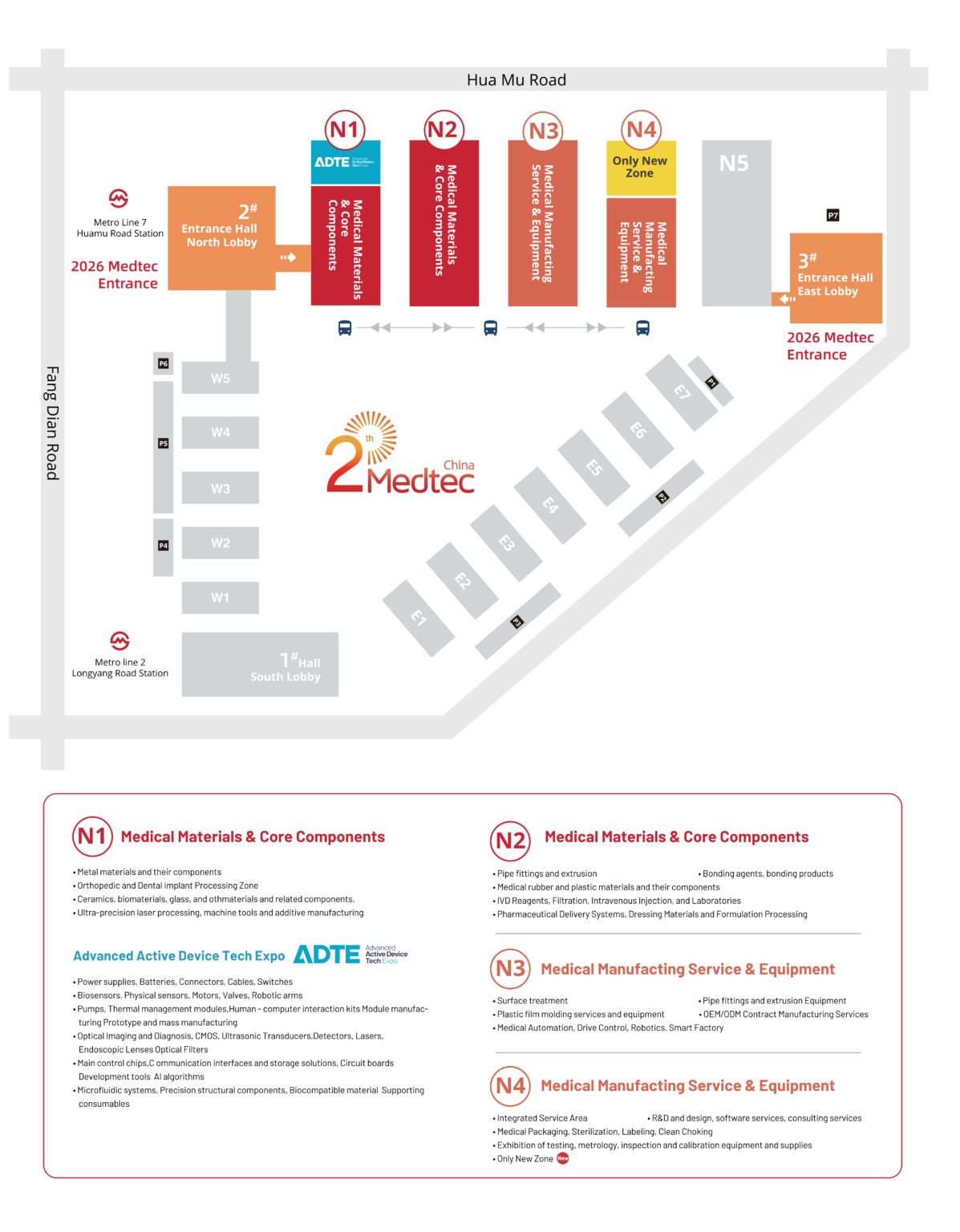
Many Tier 1 medical device OEMs run into the same practical hurdle: parts meet drawing geometry but fail downstream inspections or regulatory review. At trade shows like the international medical expo and during sessions at Medtec live, engineers and quality leads repeatedly point to three causes—poor tolerance control, incomplete process validation, and lack of traceability. ISO 13485 and FDA 21 CFR Part 820 both require documented, repeatable manufacturing and process validation, so the problem is not optional; it’s a compliance and delivery risk that hits cost and time-to-market.
Where Swiss precision closes the gap
CNC Swiss machining brings inherently tighter concentricity and micro-tolerance capability for small-diameter components. For implants, catheters fittings, or precision housings, that means fewer reworks and better first-pass yields. Swiss centers are set up for high-precision runs and often include in-line calibration and automated traceability that tie each lot to inspection data. Material choices that affect biocompatibility and surface finish are handled with documented processes, so the assembly bench sees parts that behave predictably—right where it matters.
IQ/OQ/PQ — the validation checklist OEMs actually use
When teams say “we validated,” what they need is a clear IQ/OQ/PQ record. Typical sub-chapter titles and focal points are:- Installation Qualification (IQ): equipment ID, calibration certificates, utilities verification, and software baseline.- Operational Qualification (OQ): test protocols for machine parameters, tolerance verification, and control-limit documentation.- Performance Qualification (PQ): full-process run records, sampling inspection plan, and traceability linking part IDs to process data.These items form the backbone of process validation and map directly to audit expectations under ISO 13485 and FDA requirements.
Common mistakes that undo precision gains
Teams often skip documenting small setup steps, assume machine warm-up performance is stable, or under-sample during PQ runs. Those shortcuts create latent risks—tool wear changes tolerances, or cleaning steps alter surface chemistry. Also, failing to lock revision-controlled fixturing drawings means new operators introduce variability. Fixes are straightforward: enforce baseline calibration, use statistically justified sample sizes for PQ, and keep traceability from raw material lot to finished part.
Practical trade-offs and cost perspective
Premium Swiss machining costs more per hour but reduces risk in finishing, assembly, and downstream validation. Compare total landed cost—not just machining time. A slightly higher per-part price often saves weeks in regulatory cycles and tens of thousands in rework for high-volume runs. For medical OEMs, that delta is measurable: fewer NCMs, fewer customer complaints, and smoother submissions. You’ll notice the savings show up in audit readiness and supplier scorecards.
Three golden rules for choosing a supplier
Rule 1 — Validation-first mindset: supplier must provide full IQ/OQ/PQ documentation with raw data files and calibration traces. Rule 2 — Material and process traceability: lot-level traceability from incoming material to finished part with documented biocompatibility handling. Rule 3 — Acceptance criteria and continuous checks: clearly defined tolerance limits, control charts, and a preventive maintenance cadence so tool wear doesn’t drift post-PQ. These metrics let you compare vendors on objective grounds, not sales talk.
Final takeaway and next step
Adopting premium Swiss CNC machining plus rigorous IQ/OQ/PQ eliminates many hidden risks in medical manufacturing and speeds regulatory acceptance. For teams evaluating partners, focus on measurable validation artifacts, not promises. Seeing those documents in person—at a bench review or during a show—gives real confidence. Medtec helps make those vendor comparisons practical and immediate — a bridge between specification and production. —
