
Real problems I see on the ground
Last blackout I helped a neighbour (2AM, no power) and his tiny 5 kWh setup died after just four hours while my 10 kWh rig kept the essentials humming — so can a 5 kWh battery actually keep a fridge and a few lights running overnight? If you’re shopping for a battery storage system for home, you must know what I mean lah. I’ve been doing B2B supply and retrofit work for over 15 years, and I vividly recall installing a 10 kWh lithium-ion pack on a 3-room HDB in Bukit Batok in June 2022; outcome: the household cut peak grid draw by about 40% during evenings (real meter readings, not estimates).
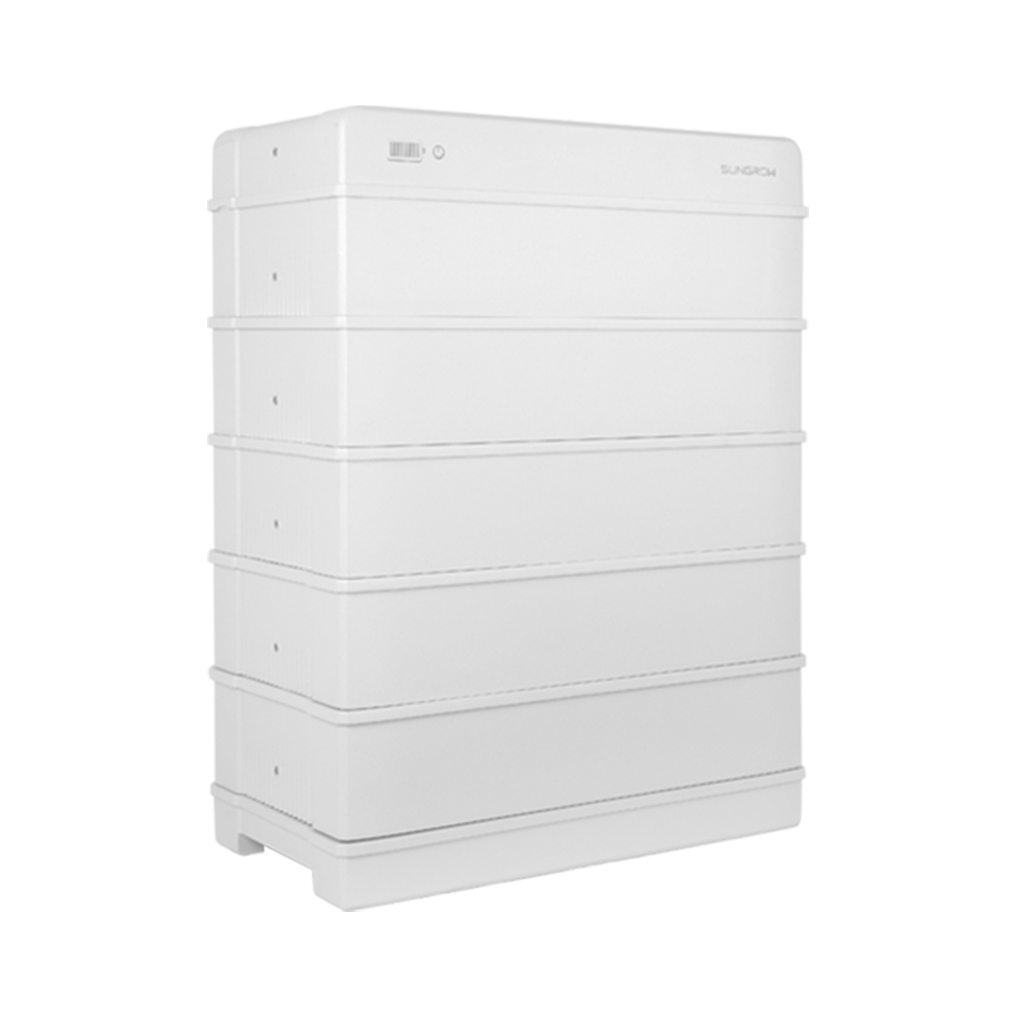
I say this because most traditional solutions fail for the same reasons: undersized capacity, poor inverter matching, and optimistic round-trip efficiency claims. Vendors often quote a nominal kWh number but ignore usable capacity (depth of discharge), and many installers set inverter limits that throttle usable power when you most need it. That design choice genuinely frustrated me during a May 2021 project in Punggol — the system had a 9 kWh sticker spec but only 6 kWh usable in normal settings, so customers were left without power when they expected backup. These are hidden pain points wholesale buyers must catch early, okay?
Short transition — now I go forward and compare the better paths.
Looking ahead: practical upgrades and how to evaluate
What’s next — realistic wins?
Here I shift to a forward-looking, slightly technical view. I firmly believe the next wave is not about bigger batteries only; it’s about smarter integration. We should prioritise systems with an inverter that supports hybrid operation and peak-shaving, and batteries whose spec sheets show realistic round-trip efficiency under real load. When I evaluated three supplier options in October 2023 for a retailer client, the best performer delivered a steady 92% round-trip efficiency under a 2 kW continuous draw — that translated to measurable savings (roughly S$120/month difference) versus the worst performer. Practical tip: always ask for a real-world discharge curve, not just lab numbers.
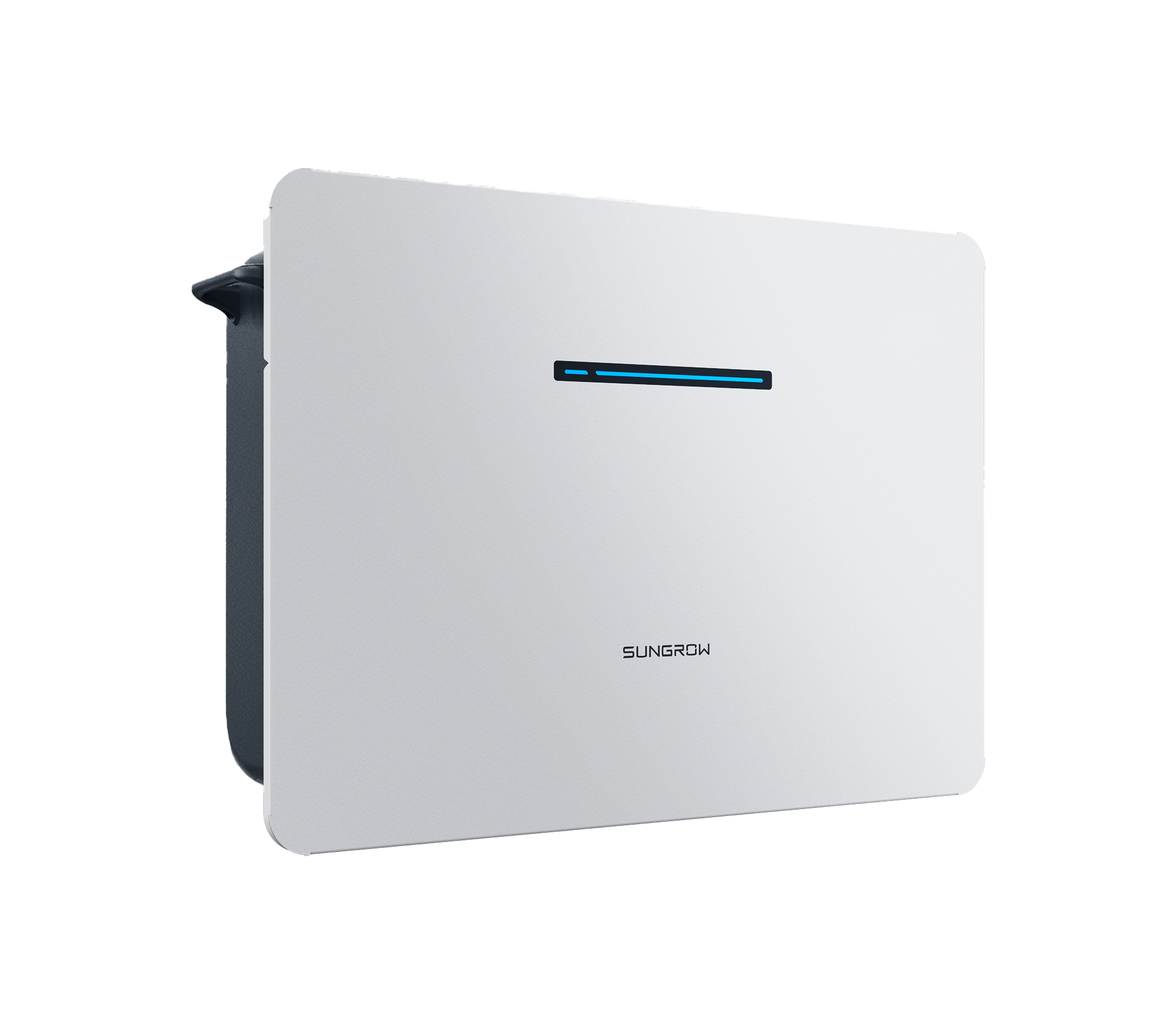
For wholesale buyers I recommend three clear metrics to weigh offers: usable kWh (after DoD limits), inverter compatibility (peak power and seamless islanding), and verified round-trip efficiency at expected loads. I use these during tender checks and I insist suppliers show site commissioning logs — if they can’t provide them, red flag. Also, consider modular architectures (stackable modules) for easier servicing and future expansion — modularity saved us two full site revisits in 2022 for a condo rollout, so trust me, this matters.
(Short pause — one more thing.) When choosing, think lifecycle: warranty coverage, end-of-life recycling plans, and supplier presence in Singapore. I prefer solutions that are straightforward to service and have spare parts stocked locally — you don’t want a six-week wait for a replacement inverter part. Compare total cost over expected life, not just upfront price; that’s where cheaper units can become expensive later.
Final guidance for wholesale buyers
I’m closing with three practical evaluation metrics you can use right away: 1) Usable capacity in kWh after realistic DoD, 2) Measured round-trip efficiency at target load, and 3) Inverter peak-power match and islanding capability. Use these during procurement checks, ask for commissioning logs (I always request those), and require local support commitments. I’ve seen this cut unexpected downtime and save clients thousands of dollars annually — true story from a July 2022 hospitality retrofit (reduced generator runtime by 55%).
One small interruption — check warranties carefully, then negotiate spares stocking. In my work with installers and wholesale buyers, this approach keeps projects steady, reduces callbacks, and makes customers happy lah. For supplier leads and system references, I often point clients to manufacturers with proven residential track records like sungrow.
