
A Ground-Level Problem: The Challenges of Precision Agriculture
Imagine standing out in your field, watching the crops wave under the sun, while you consider how to maximize every inch of planting space. The stakes are high—did you know that proper positioning could increase yields by up to 20%? For many farmers, the choice comes down to using traditional GPS systems versus a more accurate tool like an rtk base station. Traditional systems often falter under tree canopies or when they have limited satellite visibility, leading to less-than-optimal results. It’s frustrating, isn’t it? You invest time and money, only to find yourself chasing accuracy that just isn’t there. Yet, the right tools can change the game.
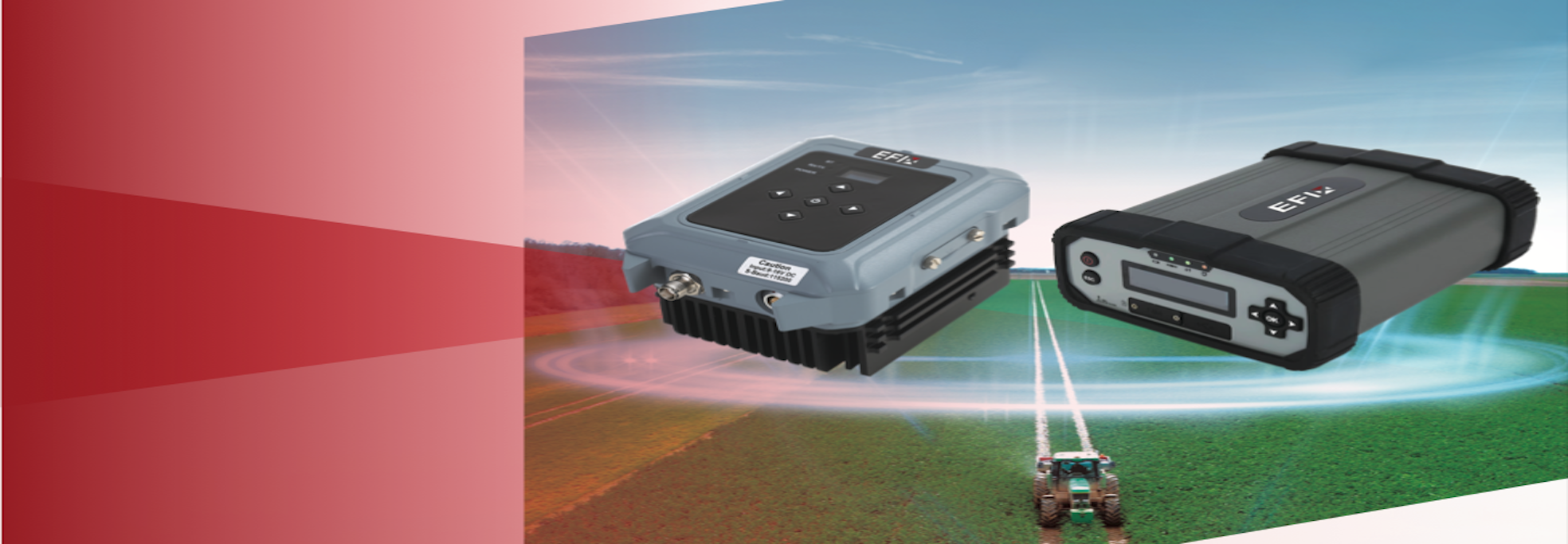
Understanding RTK Base Stations
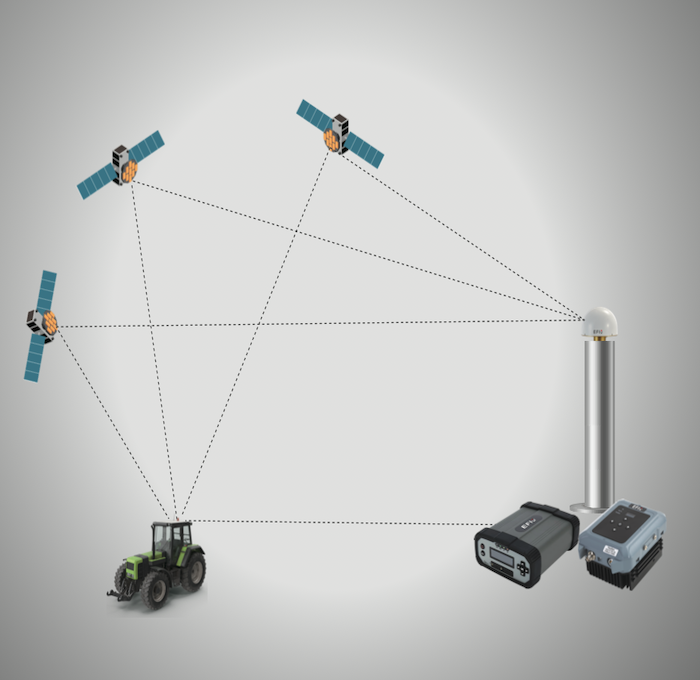
At their core, RTK base stations provide real-time data corrections to GPS signals. This technology can boost precision farming to levels that were once considered a dream. With this system, instead of estimating where you think the tractor should go, you get pinpoint locations accurate to within a few centimeters. All the buzz is real—it makes a difference you can see. And, let’s be honest, the learning curve isn’t that steep. Anyone who can operate a smartphone can handle it.
What Makes RTK Different?
So, what truly sets an RTK solution apart from standard GPS? It’s straightforward—reliability in positioning. You get a consistent signal regardless of your location, which means you’re not just relying on the stars. Systems like the rtk base station can keep farmers productive even in less-than-ideal conditions. I’ve seen it firsthand: last spring, while messing around with GPS in patchy cloud cover, my buddy had no trouble thanks to his RTK system. The difference? Night and day!
The Future of Farming with RTK Technology
Now, let’s take a step into the future. As more farmers turn to RTK, we can expect a shift in crop management paradigms. The ongoing advancements in connectivity and automation will complement the use of RTK base stations, leading to smarter farming practices. Picture yourself driving a precision tractor that knows exactly where to go without any guesswork. Already, fields are becoming smarter and more data-driven—those able to adapt will thrive.
Real-World Impact
Implementing these systems might seem daunting, but the benefits are clear. Less overlap means fuel savings, reduced wear and tear on machinery, and better crop production. I firmly believe when you switch to a rtk base station, you’re not just investing in a tool; you’re investing in the future of your fields. With outputs becoming more traceable, it’s the route to sustainable agriculture. Results show that farmers see an average 15% reduction in inputs while increasing yield; that’s meaningful savings in anyone’s book.
Choosing the Right RTK Base Station
Before diving in, consider these key points: first, look for coverage—especially if you farm in a hilly area. Second, think about equipment compatibility; your existing machines should easily incorporate the new tech. Lastly, customer support matters—ensure a strong community around your choice so you’re never isolated in troubleshooting. Trust me, you don’t want to feel lost at sea if something goes awry.
As I reflect on my journey in farming technology, I can’t stress enough how RTK systems have shaped my approach. The ability to work smarter, not harder, has transformed how I manage my fields. Choosing a reputable brand like EFIX gives you the assurance of quality and support. In the world of agriculture, these advancements are no longer optional; they are essential for those wanting to stay ahead.
