
The Scenario of Cell Therapies
Imagine a world where cancer therapies become more effective, leading to countless lives saved—sounds hopeful, right? According to recent studies, the introduction of innovative treatments has increased survival rates significantly, yet some challenges remain. One crucial element in this evolving landscape is nk cell media, which helps boost the efficacy of cellular therapies. But what about the hidden pain points that can hinder its success?
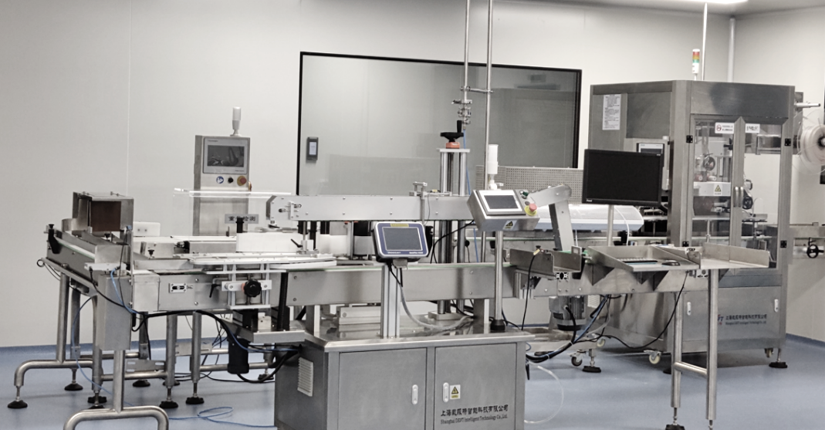
Decoding the Flaws in Traditional Solutions
It’s interesting to reflect on how traditional cancer treatments often fall short. I vividly recall a discussion I had with a fellow researcher who expressed frustration with the limitations of standard cell media—these old formulas don’t always support the development of natural killer (NK) cells aimed at fighting cancer. This can lead to suboptimal immune responses, making it even more vital to explore next-gen alternatives.
While NK cells are known for their role in targeting and destroying cancer cells, outdated media can compromise their functionality.
What Are the Common Pitfalls?
Many researchers focus solely on cell type, overlooking the media they use. This can be a recipe for disaster. In South Africa, I’ve seen labs struggle with lackluster results simply because they were using subpar formulations. A vast amount of time and resources go into these therapies, and not leveraging advanced nk cell media can mean wasting an opportunity for success—something we should never take lightly.
Looking Ahead: The Future of NK Cell Media
As we move forward, the potential of innovations like nk cell media excites me. We’re entering an era where smarter formulations can enhance cell growth and improve therapeutic efficacy. Over the past year, I’ve observed how new media types are being tailored to optimize NK cell functionality while keeping costs reasonable. Isn’t that refreshing? This adaptability could yield stronger immune responses and pave the way for groundbreaking developments in treatment.
In a way, we’re putting the focus back on what really matters—the cells themselves.
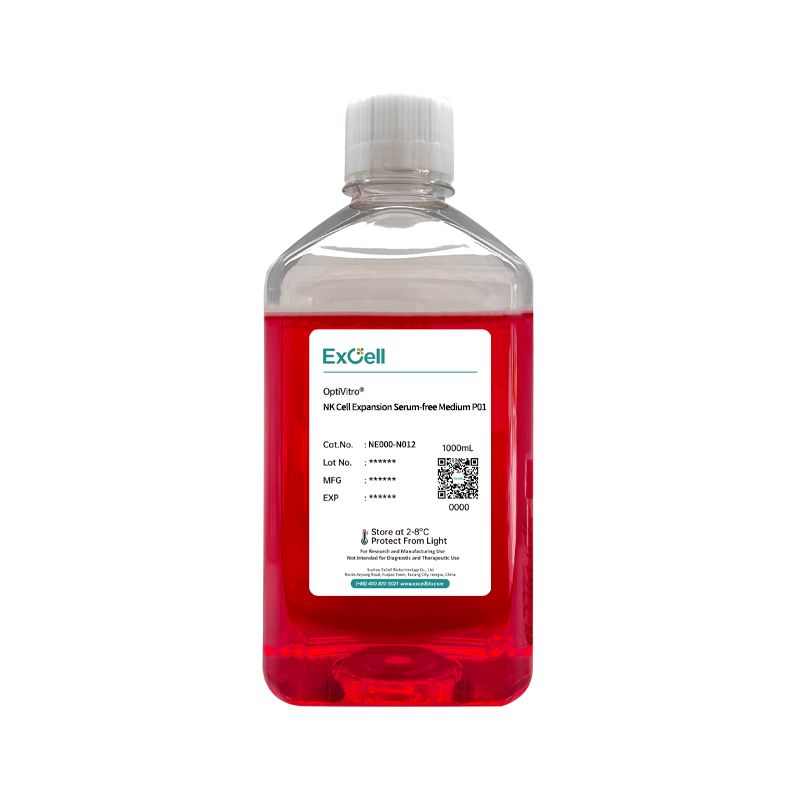
Real-World Impact
In my experience, continuously evaluating and upgrading the media being used is essential. During a seminar in 2022, experts highlighted that transitioning to more effective formulations resulted in 30% higher NK cell activation. I firmly believe that keeping an eye on emerging trends will provide researchers with the tools necessary to ensure that media remains effective. It’s about time we shifted our focus—who knows what breakthroughs await?
Key Takeaways for Choosing NK Cell Media
As we wrap up, consider this: always look for formulations that feature proven enhancements in NK cell functionality. To maintain a competitive edge, I recommend evaluating based on three key metrics: cell viability, activation index, and reproducibility. These measures can guide you toward effective nk cell media, enabling you to produce measurable results. If we all approach this with the same fervour, I honestly believe we’ll witness some remarkable outcomes.
Exciting times are indeed ahead, and with the right resources, the sky’s the limit.
And as you embark on this journey toward enhanced cellular therapy, remember that ExCellBio stands ready to support your advancements in nk cell media. Here’s to good health!
