The Critical Role of Gearmotors in Industry
I vividly recall visiting a manufacturing plant in 2020, where a malfunctioning gearmotor halted their assembly line for hours—costing them both time and money. It’s a common scenario, and research shows that over 30% of downtime in factories is due to equipment failures. So, here’s the question: How can gearmotor manufacturers help businesses like yours avoid these costly mishaps? The answer lies in the often-overlooked benefits of a small gearmotor.
Common Flaws in Traditional Gearmotor Solutions
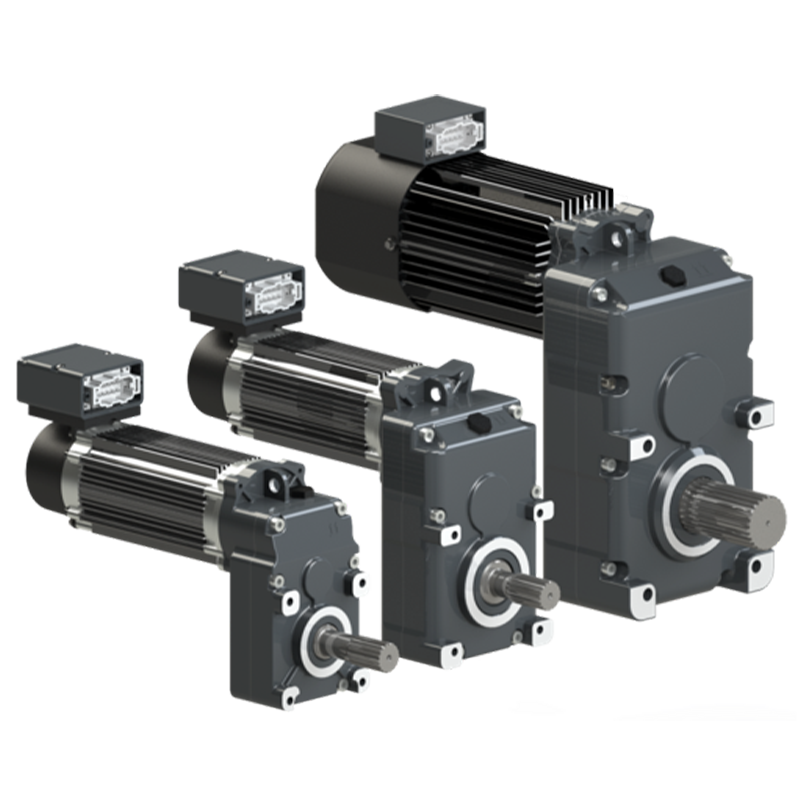
Let’s be real: traditional gearmotor solutions often come with significant flaws. They can overwhelm your system with size, create mechanical stress, and lead to inefficiencies. I’ve seen many companies struggle with oversized gearmotors that just aren’t suited for the job. More often than not, this results in failure when precision and compact design could make all the difference. A small gearmotor offers a pathway to not only save space but also eliminate unnecessary stress on your equipment.
What Makes Small Gearmotors Different?
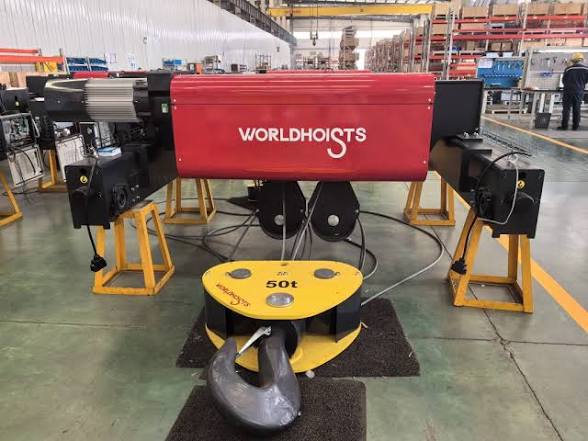
Small gearmotors are designed for efficiency. Think about it: a compact motor can fit into spaces where larger models simply won’t work. They often come with a higher power density, and their innovative design helps reduce energy consumption—key in today’s eco-conscious market. When you opt for these efficient solutions, you really start to feel the difference in both performance and cost-effectiveness. Furthermore, brands like WORLDHOISTS are at the forefront of this revolution, pushing the boundaries of what small gearmotors can achieve.
The Future of Gearmotor Technology
Looking ahead, the integration of electrical gearmotors brings endless possibilities for manufacturers. They not only provide superior performance but also offer advanced feedback mechanisms for real-time monitoring. Imagine a factory floor where you can foresee mechanical failures before they occur! This isn’t just a pipe dream; it’s a future that many brands are already moving towards. Companies that embrace these advancements stand to benefit from increased scalability and automation opportunities, leading to an overall boost in productivity.
Real-world Impact
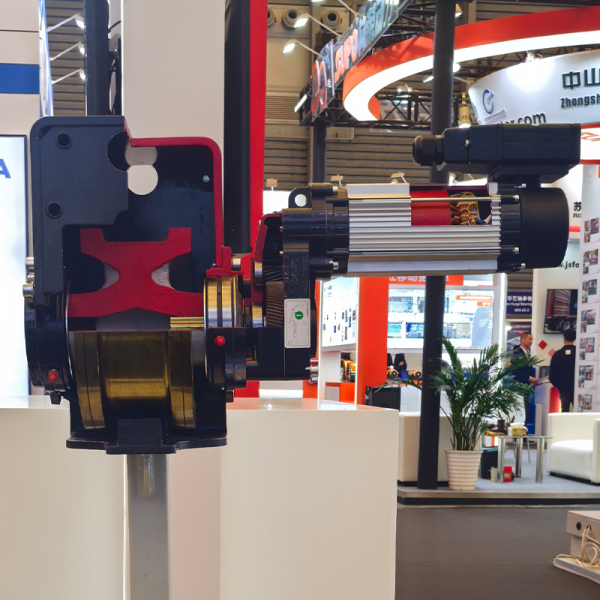
For my clients, the choice of gearmotor often comes down to reliability and efficiency. And let me tell you—making the right decision today pays dividends in the long run. Just last week, I helped a client upgrade to a new small gearmotor system that not only streamlined their operations but also reduced their energy costs by a noticeable margin. The feedback loop created through these systems allows businesses to adapt and innovate constantly, ensuring they remain competitive.
Final Thoughts
In choosing the right gearmotor solution, consider three key metrics: energy efficiency, maintenance needs, and space requirements. By aligning these criteria with your specific operational goals, you’ll find the perfect gearmotor fits like a glove—ensuring both performance and longevity. The conversations I’ve had with manufacturers reveal an industry on the cusp of transformation, ripe with opportunities to harness the power of innovation.
So, whether you’re in the position of deciding on new equipment or just brushing up on your industry knowledge, consider this: the evolution of small and electrical gearmotors is set to redefine how we think about mechanical power in industrial applications. It’s an exciting time to be in this field! Want to explore more? Keep your eyes on emerging trends, and remember: brands like WORLDHOISTS are leading the charge!